
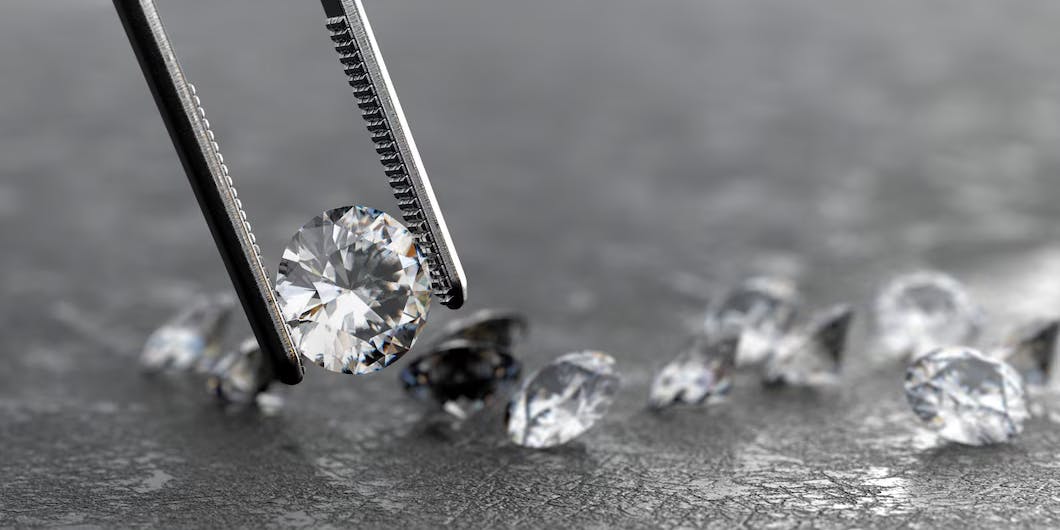
Have you ever gazed at a stunning diamond, marveling at its sparkle and wondering about its journey? For centuries, natural diamonds have captivated us with their beauty and rarity. But now, there’s a new player in town: lab-grown diamonds. 🔬💎
The rise of these man-made gems has sparked a heated debate in the jewelry world. Are they just as good as their natural counterparts? Are they more ethical? More affordable? As consumers, we’re left wondering: which option truly shines brightest?
In this blog post, we’ll delve into the fascinating world of natural and lab-grown diamonds. We’ll explore their origins, compare their quality and appearance, and examine the financial, environmental, and ethical implications of each. Whether you’re searching for affordable lab diamond jewelry in Vancouver or considering custom engagement rings in Vancouver, understanding the differences between these diamonds will help you make the perfect choice.
By the end, you’ll have all the information you need to make an informed choice that aligns with your values and budget. So, let’s start our journey into the dazzling realm of diamonds!

What Is A Natural Diamond?
A natural diamond or a mined diamond is naturally formed under the earth’s surface. These diamonds are created under high temperatures and pressure, which are then brought up to the surface by volcanic activity. The volcanic rock formations, known as kimberlite pipes carry about only 5% of diamonds, which are then mined for human use.
The rarity of natural diamonds stems from their complex formation and the limited number of locations where they can be found. Only about 1 in 10,000 diamonds mined is of gem quality, making them truly exceptional.
Natural diamonds possess unique characteristics that contribute to their value:
- Inclusions: Microscopic features that make each diamond one-of-a-kind
- Fluorescence: The ability to emit a soft glow under UV light
- Color variations: From colorless to fancy colored diamonds

What Is A Lab Grown Diamond?
The first diamonds that were grown in a lab were back in the 1950s. These synthetic diamonds are produced by replicating the conditions under which natural diamonds are produced, under the earth’s surface. It was only in the mid-2010s when commercial diamonds were introduced to the market from the diamond industry. A lab-grown diamond is made using two methods: CVD and HPHT. Before we end the debate of lab diamond vs natural diamond, let’s take a closer look at both methods to understand how they are grown in a laboratory:
CVD Diamonds
The Chemical Vapor Deposition or CVD method involves using a diamond seed and keeping it within a vacuum chamber. This chamber is then filled with a carbon-rich gas such as methane. The chamber is then subjected to high levels of temperature, which breaks down the carbon and hydrogen atoms. These atoms deposit on the diamond seeds to form square shaped and tabular man-made diamond crystals. These diamonds look identical to natural diamonds.
HPHT Diamonds
The High Pressure High Temperature or HPHT method, as the name suggests, is created in a lab using extreme high pressure and high temperature. A diamond seed is placed within a chamber, and then subjected to around 2000 degrees Celsius temperature and over 1.5 million pounds per inch of pressure. By replicating the natural conditions of natural diamonds, HPHT lab-grown diamonds are grown in the lab.

Lab-grown diamonds offer significant advantages in terms of cost and availability:
- 20-40% less expensive than natural diamonds
- Faster production time
- Wider range of sizes and colors available
- Increasing market presence and acceptance
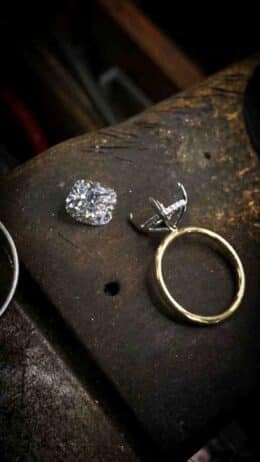
Key Differences Between Natural Diamonds vs. Lab Grown Diamonds
1. Clarity and color grading
Lab-grown and natural diamonds are graded using the same criteria, making them virtually indistinguishable to the naked eye. Both types are evaluated on the 4Cs: Cut, Clarity, Color, and Carat weight.

2. Cut and brilliance
The cut of a diamond significantly impacts its brilliance and fire. Both natural and lab-grown diamonds can achieve excellent cuts, resulting in stunning sparkle.
- Precision cutting techniques apply to both types
- Skilled artisans can create identical cuts in natural and lab-grown diamonds
- Brilliance depends on the quality of the cut, not the diamond’s origin
3. Durability and longevity
Natural and lab-grown diamonds are equally durable, both scoring a perfect 10 on the Mohs scale of hardness.
- Resistant to scratching and chipping
- Suitable for everyday wear in jewelry
- Long-lasting with proper care and maintenance
4. Expert assessment techniques
Gemologists use specialized tools and techniques to distinguish between natural and lab-grown diamonds:
- Fluorescence imaging
- Spectroscopy
- Microscopic examination
These methods reveal subtle differences in crystal structure and growth patterns, allowing experts to determine a diamond’s origin accurately.
5. Initial purchase price comparison
When comparing natural diamonds to lab-grown diamonds, one of the most significant differences lies in their initial purchase price. Let’s take a closer look at how these two options stack up:

Lab-grown diamonds often present a more budget-friendly option for consumers, allowing them to get a larger or higher-quality stone for the same price as a smaller natural diamond. However, it’s important to note that the price gap may narrow in the future as technology advances and natural diamond supplies potentially decrease.
6. Long-term value and resale potential
The long-term value and resale potential of diamonds is an essential consideration for many buyers. Here are some key points to consider:
Natural diamonds:
- Generally, retain value better over time
- Have an established resale market
- May appreciate in value, especially rare or high-quality stones
Lab-grown diamonds:
- Currently have a lower resale value
- The resale market is still developing
- May depreciate in value as production costs decrease
7. Insurance and certification differences
When it comes to insurance and certification, there are some notable differences between natural and lab-grown diamonds:
Certification:
- Natural diamonds: Widely accepted certifications from organizations like GIA, AGS, and IGI
- Lab-grown diamonds: Specialized certifications, sometimes from the same organizations, but with distinct reports
Insurance:
- Natural diamonds: Generally easier to insure, with more options available
- Lab-grown diamonds: Insurance options are growing, but may be more limited or costly
As the lab-grown diamond market matures, these differences may become less pronounced. When making a decision, consider your long-term financial goals and how you plan to use or potentially resell the diamond in the future.
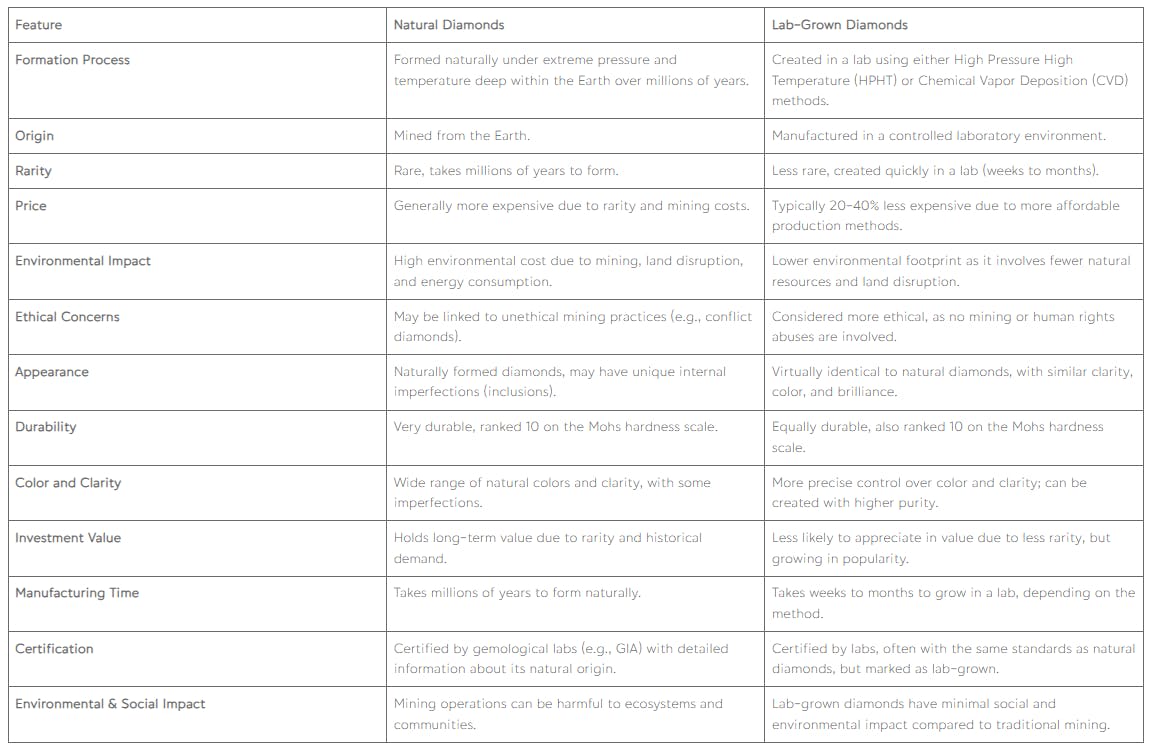
A Comparison Chart Between Lab-Grown and Natural Diamonds
Natural and lab grown diamonds may have no fundamental differences, however, there are some aspects which set them apart from the rest. The physical properties and chemical composition of lab grown and natural diamonds are the same. The only major difference is the source of lab grown diamond ring Vancouver. Let us take a closer look into lab grown versus natural diamonds in this comparison chart:
Are Lab Diamonds Real?
Yes, lab grown diamonds test are real. These diamonds are identical to natural diamonds in their chemical composition, physical properties and also their appearance. Without specialised equipment, there is no way to tell the difference. There’s also no fundamental difference between HPHT and CVD diamonds, as both methods require special environments under which the lab grown diamonds are created.
![Lab Grown Diamond Report : Grading and Authenticity Analysis [2025]](https://images.prismic.io/smcjewels/aCcd6SdWJ-7kSNwx_image3.jpg?auto=format%2Ccompress&fit=max&w=1920)
How To Identify Whether Diamonds Are Real
You can identify a real diamond by the 4Cs: clarity, carat, color and cut. The Gemological Institute of America (GIA), and the International Gemological Institute (IGI) started certifying diamonds in the early 1990s. These institutions know how to identify which diamond is a real diamond based on the 4Cs. Don’t worry, because lab diamonds test as real diamonds because they are genuine and identical to diamonds mined from natural sources. After conducting a detailed analysis of the diamonds, they provide a diamond certification which proves that the diamond is authentic and real.
Are Lab Grown Diamonds More Ethical?
Lab grown diamonds are ethical alternatives to mined diamonds. Natural diamonds are created under very harsh conditions, which also require miners to expose themselves to dangerous conditions. Mining diamonds might also pose environmental hazards or disruptions in communities. If you are concerned about ethics when it comes to lab diamonds versus natural diamonds, then it makes lab grown diamonds better than mined diamonds in every way.
Learn More: Importance Of Ethical Sourcing: Why It Matters in the Jewelry Industry
Making an Informed Choice: Which One Should You Choose?
1. Personal values and priorities
When deciding between natural and lab-grown diamonds, it’s crucial to align your choice with your personal values and priorities. Consider the following factors:

2. Budget considerations
Your budget plays a significant role in the decision-making process. Here are some key points to consider:
Initial cost: Lab-grown diamonds are typically 20-40% less expensive than natural diamonds of similar quality.
Long-term value: Natural diamonds generally retain value better over time.
Size vs. quality trade-offs: Lab-grown diamonds allow for larger stones within the same budget.
Insurance costs: May vary depending on the type of diamond chosen.
3. Intended use (jewelry, investment, industrial)
The purpose of your diamond purchase should influence your decision:
- Jewelry: Both types are suitable, with lab-grown offering more size for the price.
- Investment: Natural diamonds have a better track record for long-term value retention.
- Industrial: Lab-grown diamonds are often preferred for their consistent quality and lower cost.
4. Future market trends and predictions
Consider the following market trends when making your decision:
- Increasing acceptance of lab-grown diamonds in the jewelry market
- Potential changes in natural diamond supply and demand
- Advancements in lab-grown diamond technology
- Shifting consumer preferences towards sustainable and ethical options
As you weigh these factors, remember that there’s no universally “right” choice. The best decision is one that aligns with your values, meets your needs, and fits within your budget.
Final Thoughts
In the debate of lab vs natural diamonds, we have understood that there are no fundamental differences between the both diamonds. The most crucial difference lies in the source. From this blog, we have understood that diamonds created in a lab have the same brilliance, physical properties and chemical composition as a natural diamond.
Are You Searching For Affordable Lab Grown Diamonds?
At SMC Diamonds, you will find the affordable lab grown diamonds fulfilling the 4Cs of real diamonds. Contact us to find your perfect engagement ring today!