
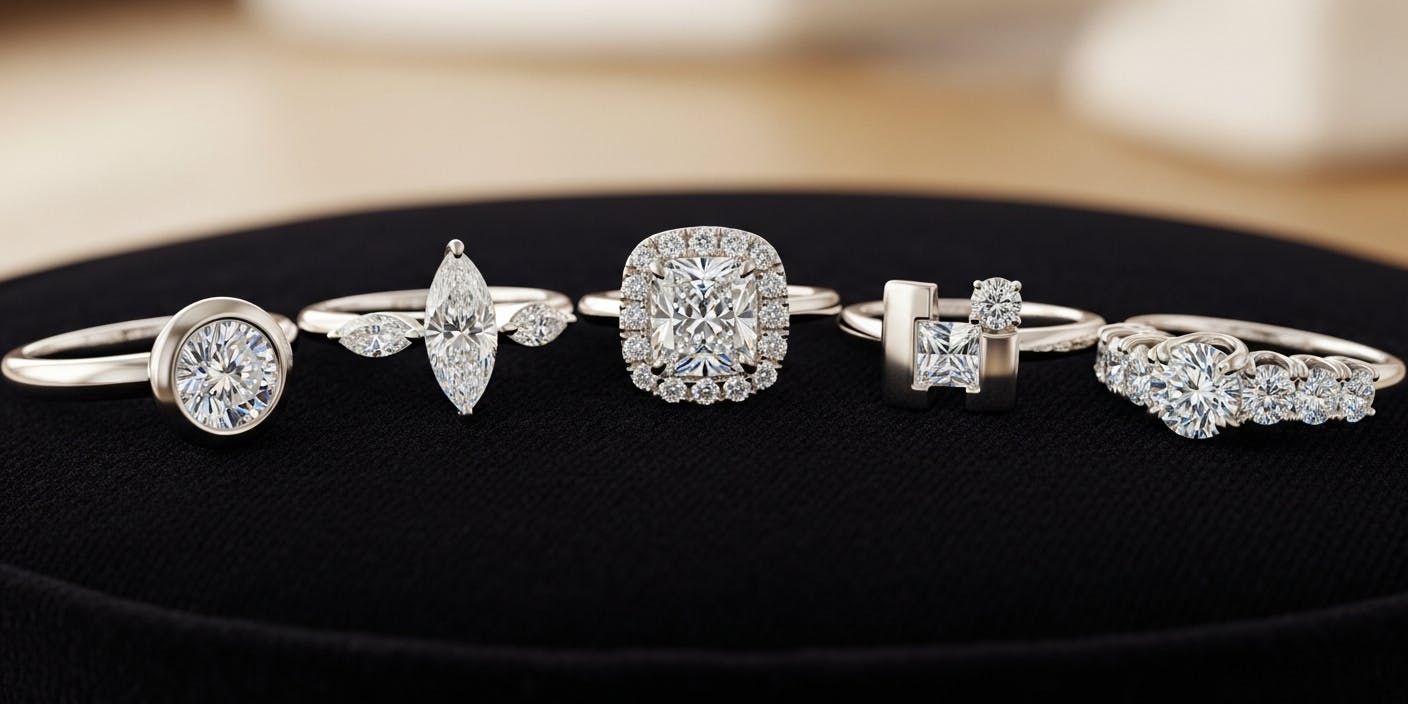
It’s new. It’s perfect. It sparkles every time you move your hand. For a while, you notice it constantly checking it in different lights, turning it gently, smiling at it when you least expect to.
And then, slowly, something changes.
You stop thinking about the ring all the time.
You just… wear it.
You wear it while unlocking doors, grabbing coffee, brushing past furniture, holding hands in the middle of a conversation. You don’t pause before every movement. You don’t handle it delicately. You live.
That’s when the engagement ring setting really starts to matter especially for people choosing diamond engagement rings in Vancouver, where everyday wear, weather, and lifestyle all come into play.
If you’re searching for engagement ring settings that protect your diamond, it’s not because you’re worried something bad will happen. It’s because you want a ring that fits into your life without asking for constant attention.
A good setting doesn’t make you careful.
It makes you comfortable.
The Moment the Setting Becomes Important
Most people fall in love with the diamond first. That part is easy.
The sparkle.
The shape.
The way it catches light when you tilt your hand just slightly.
But then comes a quieter moment usually later when you imagine wearing the ring every day.
Not on special occasions.
Not just for photos.
Every day.
And that’s when a different question appears:
Will this feel secure?
Because once the ring leaves the showroom whether from one of the many jewelry stores in Vancouver BC or a private jeweller it has a job to do. And the diamond can only do that job if the ring setting supports it properly.
The setting:
- Keeps the center stone where it belongs
- Takes the small knocks you don’t even notice
- Protects edges you didn’t realize were delicate
- Shapes whether the ring feels dependable or fragile
A diamond can be beautiful and still make you nervous.
A well-chosen setting lets you stop worrying altogether.
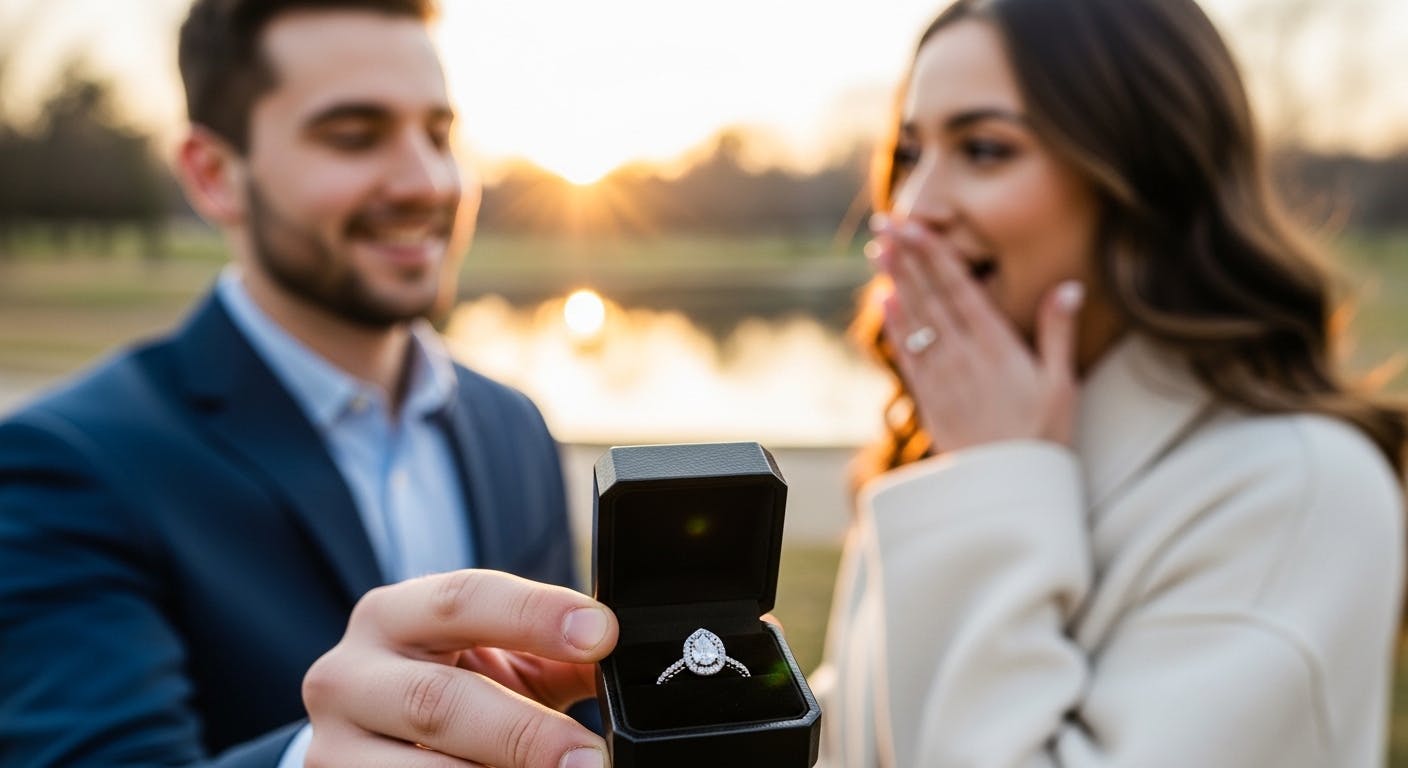
What “Protecting Your Diamond” Actually Feels Like
Protecting a diamond isn’t about hiding it or dulling its sparkle.
It’s about trust.
A setting designed to Protect Your Diamond Engagement Ring is one that:
- Holds the diamond firmly over time
- Doesn’t loosen easily
- Shields the most exposed parts of the stone
- Lets the ring feel natural on your hand
The goal isn’t to check your ring constantly.
The goal is to forget about it until it catches the light and reminds you it’s there.
Read more: Minimalist Engagement Rings: Simple, Elegant, and Diamond Ring Made for Love
Bezel Setting: When You Want to Feel at Ease
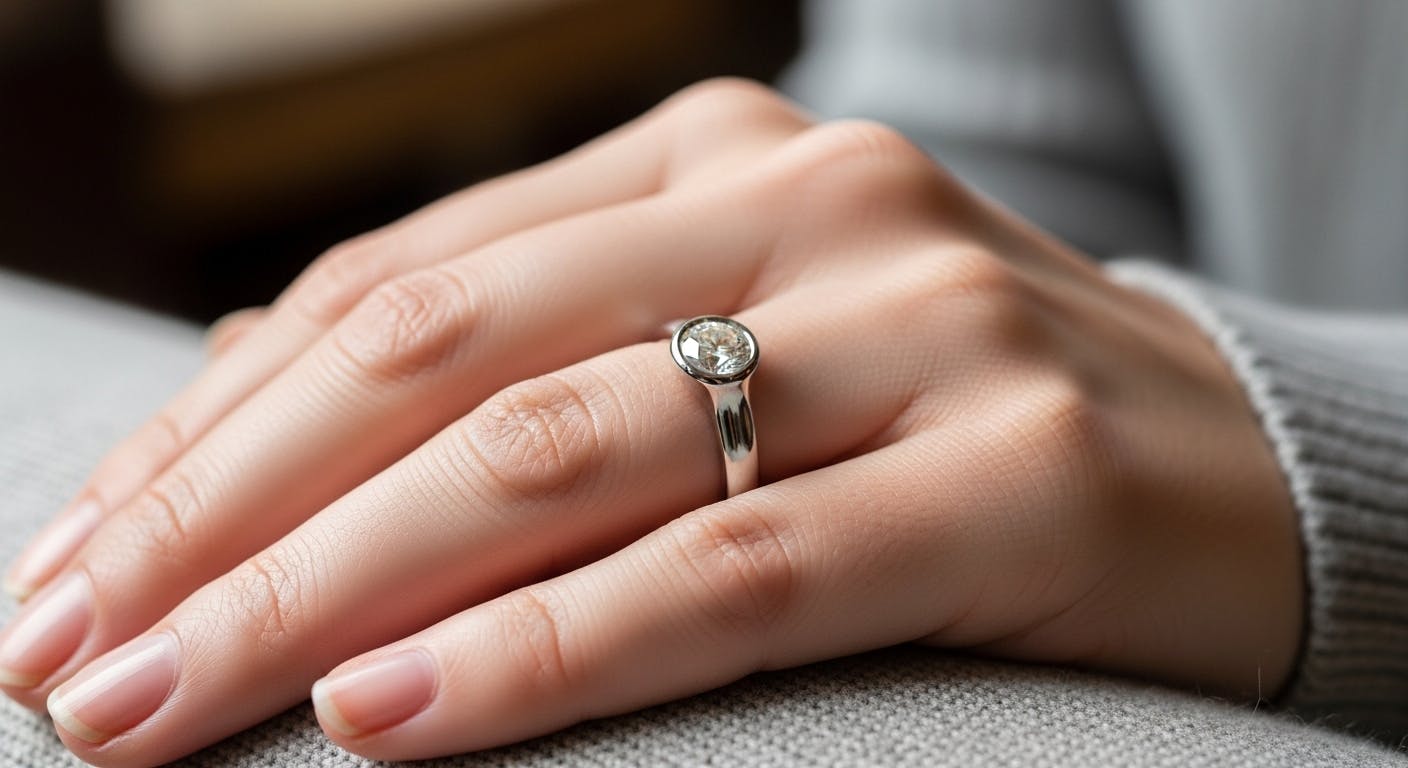
The bezel setting is often chosen by people who want peace of mind from day one.
Instead of prongs, a smooth rim of metal wraps around the diamond’s edge. It doesn’t overpower the stone it supports it quietly, evenly.
Why Bezel Settings Feel So Reassuring
- The diamond is protected from all sides
- Edges and corners aren’t exposed
- There’s very little risk of snagging
- The center stone stays steady through daily wear
Bezel settings are especially comforting if you use your hands a lot or gravitate toward minimalist engagement rings that feel clean and intentional.
And despite what some people worry about, modern bezels still allow light to reach the diamond. The sparkle is there it just feels softer and more controlled.
Must read: Trending Diamond Engagement Rings with Bezel Settings
Prong Settings: Familiar, but Worth Thoughtful Choices
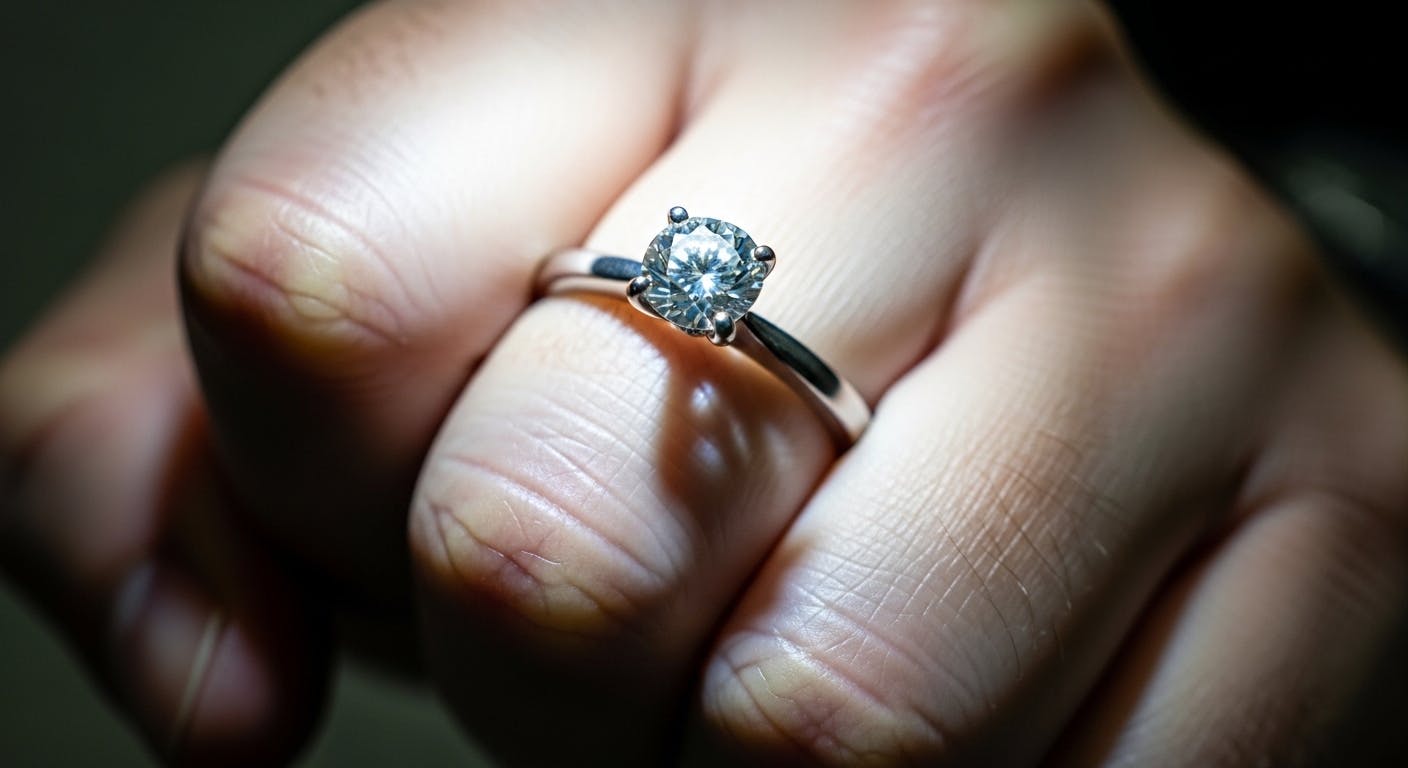
The prong setting is the image most people have in their mind when they think of an engagement ring. It’s classic, open, and timeless.
But prongs are something you want to choose with care.
Four Prongs vs Six Prongs
- Four prongs
- More open look
- Diamond appears slightly larger
- A little more exposed
- Six prongs
- Extra stability
- Diamond stays secure even if one prong shifts
- Often feels more reassuring for daily wear
If you love a traditional solitaire but want to feel relaxed wearing it, a six-prong setting usually offers that quiet confidence especially for a larger center stone.
A skilled jeweler will also adjust prongs based on the diamond shape, using v-shaped prongs for marquise cuts or reinforcing corners for emerald shapes. These small details make a big difference over time.
Recommended: Diamond Engagement Ring Styles & Settings Explained: Solitaire, Pavé, and More
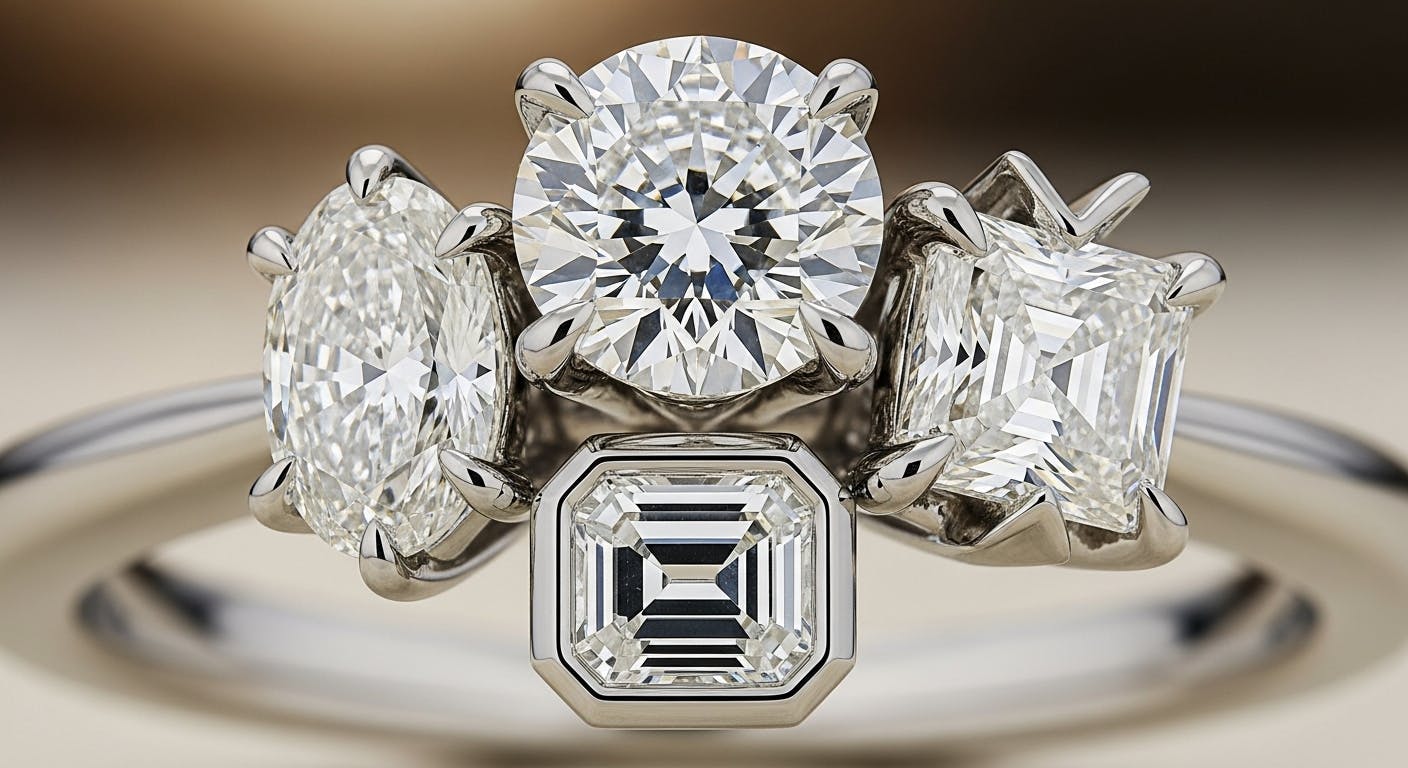
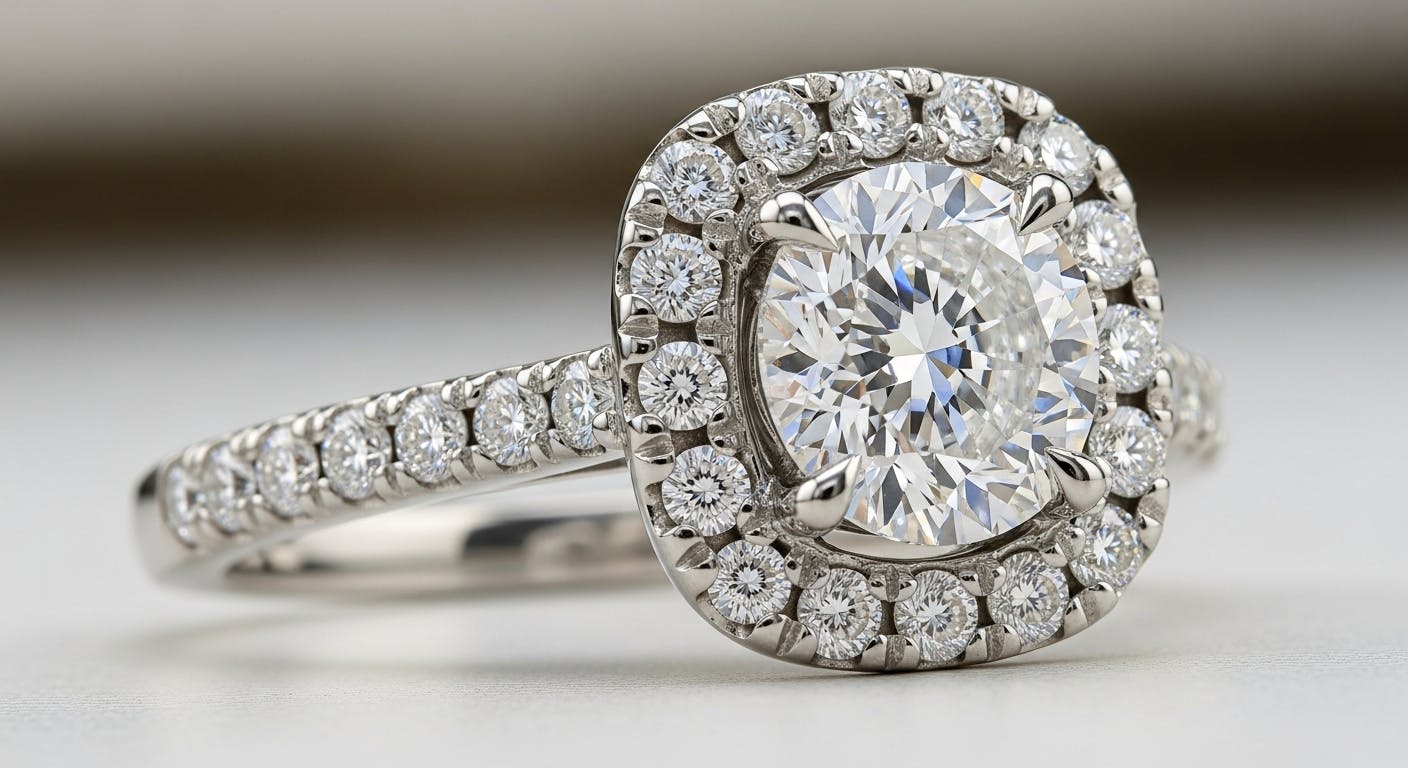
Halo Settings: Protection That Feels Like Sparkle
A halo setting surrounds the center diamond with smaller stones. Most people choose it because it sparkles beautifully but there’s something else happening too.
The halo creates a gentle buffer.
How Halo Settings Help
- Surrounding diamonds absorb minor impacts
- The center stone’s edges are less exposed
- The diamond often looks larger without added height
For diamonds with corners or pointed ends, halos offer protection without looking practical. They feel romantic, not cautious.
Read more: Halo vs. Solitaire Engagement Ring: Which Diamond Ring Should You Choose?
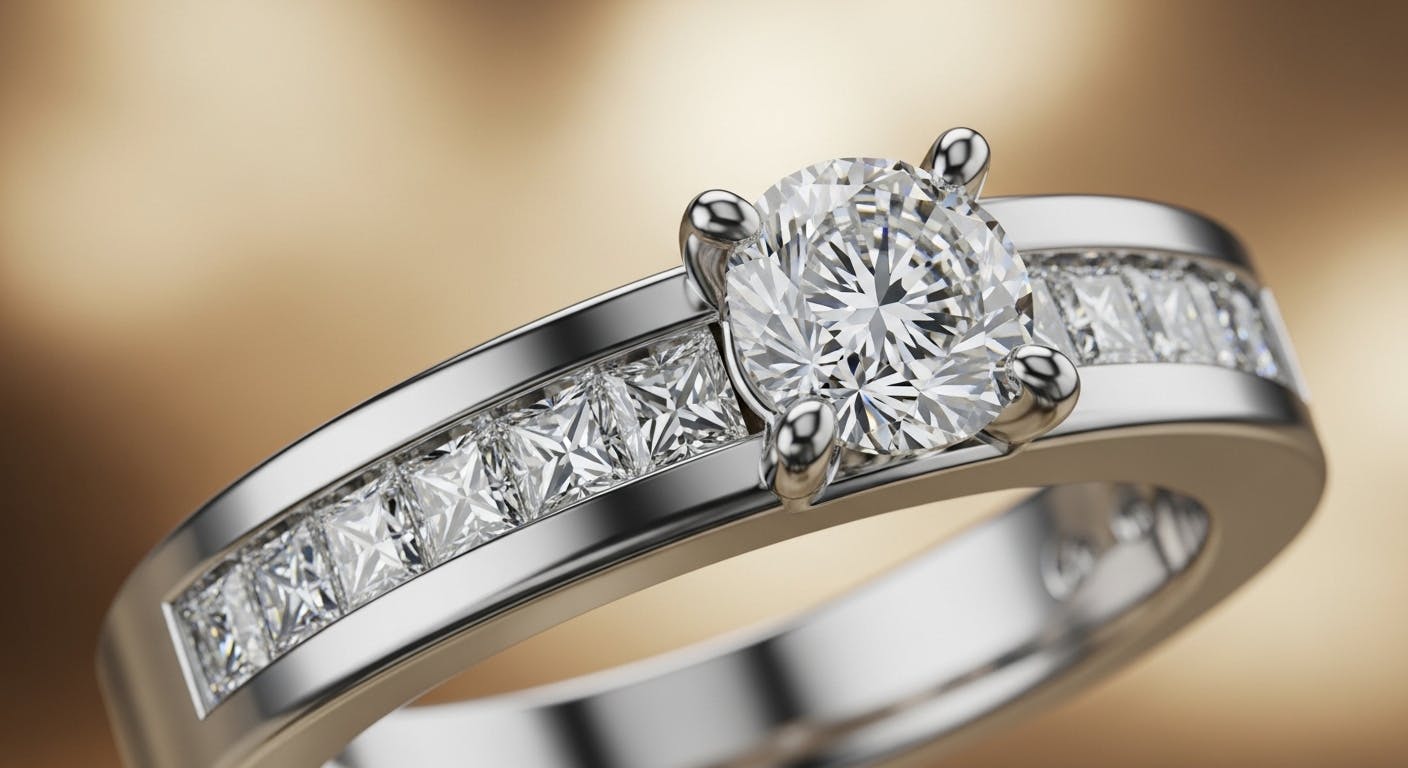
Channel Settings: Smooth and Comfortable
A channel setting places diamonds between two metal walls along the band.
You don’t usually see this setting holding the main diamond, but it plays a big role in how easy the ring is to wear.
Why Channel Settings Feel So Natural
- Diamonds are held securely without prongs
- Smooth surface that doesn’t catch on fabric
- Comfortable next to a wedding band
If you want sparkle that blends into everyday life, channel settings do that beautifully.
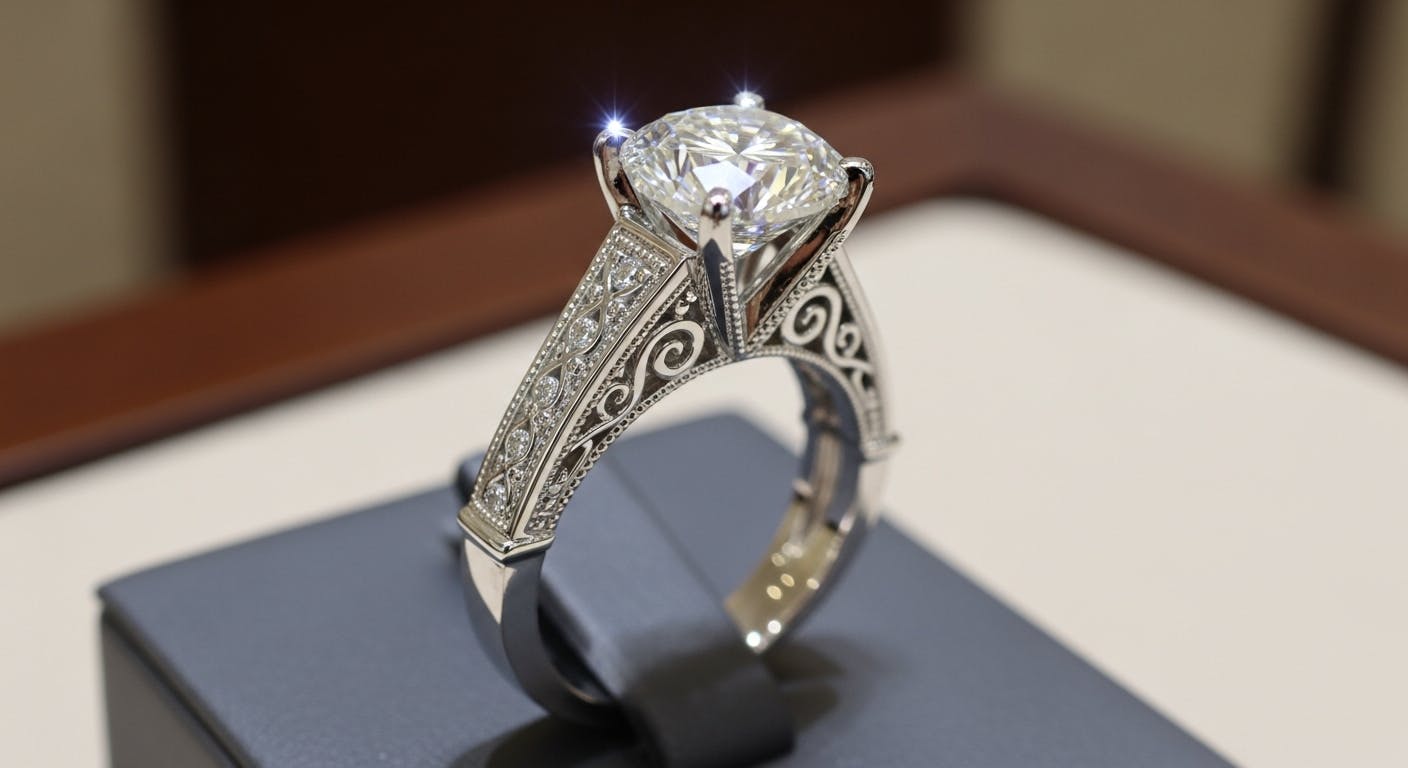
Cathedral Settings: Height with Support
A cathedral setting uses graceful arches of metal that rise from the band to support the center stone.
It gives the ring presence but also structure.
Why Cathedral Settings Feel Balanced
- Extra support beneath the diamond
- Better stability for larger stones
- Elevated look without feeling fragile
Cathedral settings are ideal if you love a bit of height but still want your ring to feel dependable.
Know more: Is a Solitaire Diamond Engagement Ring Right for You? Pros & Cons
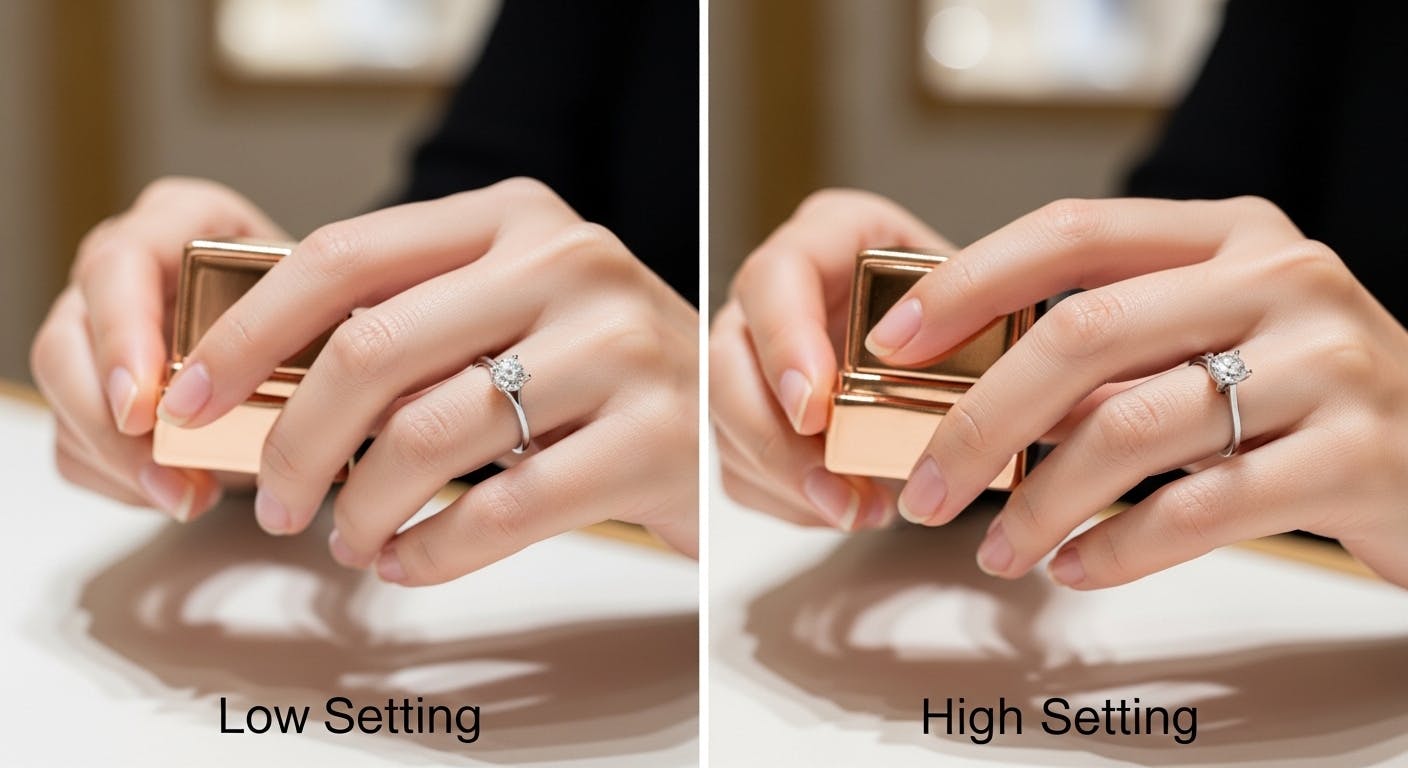
Low Setting vs High Setting: What Real Life Prefers
Low Settings
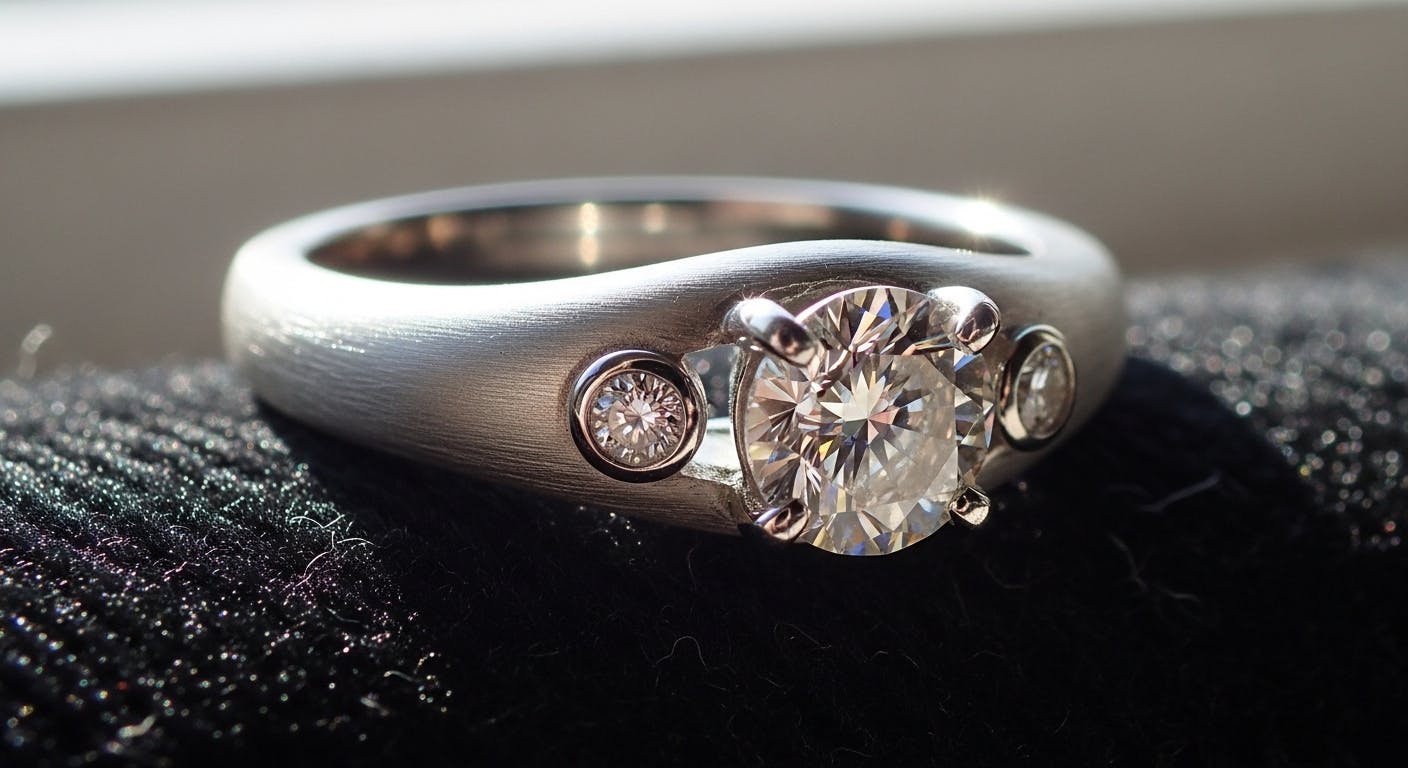
- Diamond sits closer to the finger
- Less exposure to bumps
- Easier to wear every day
High Settings
- Let more light reach the diamond
- Create dramatic sparkle
- Need stronger support to feel secure
If your hands are always busy, a low setting usually feels more natural. High settings can still be beautiful - but they need thoughtful design so they don’t feel delicate.
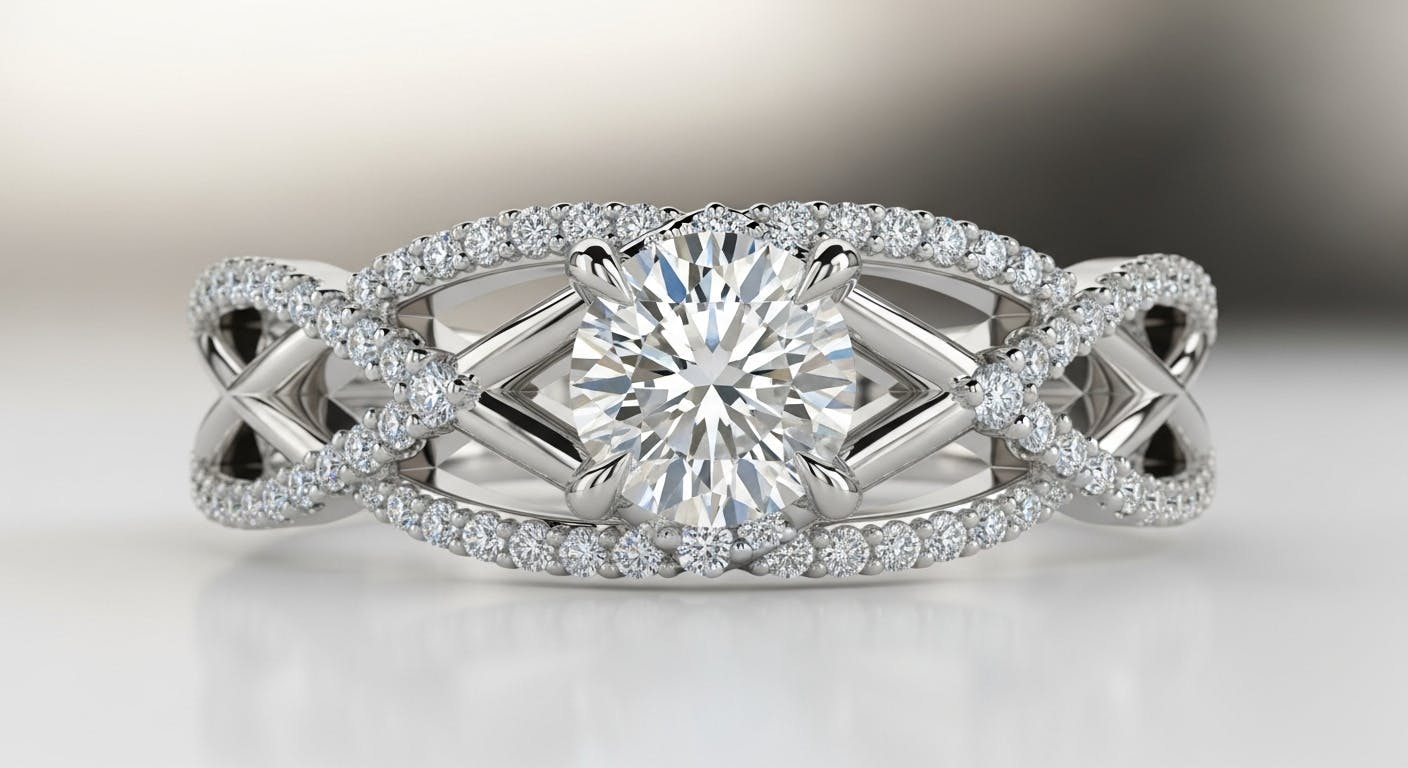
Trellis Settings: Strong Without Looking Heavy
A trellis setting uses interwoven metal arms to hold the diamond from different angles.
Why Trellis Settings Feel So Good
- Pressure is evenly distributed
- Diamond is held firmly
- Open, elegant appearance
They’re a great choice if you want security without bulk.
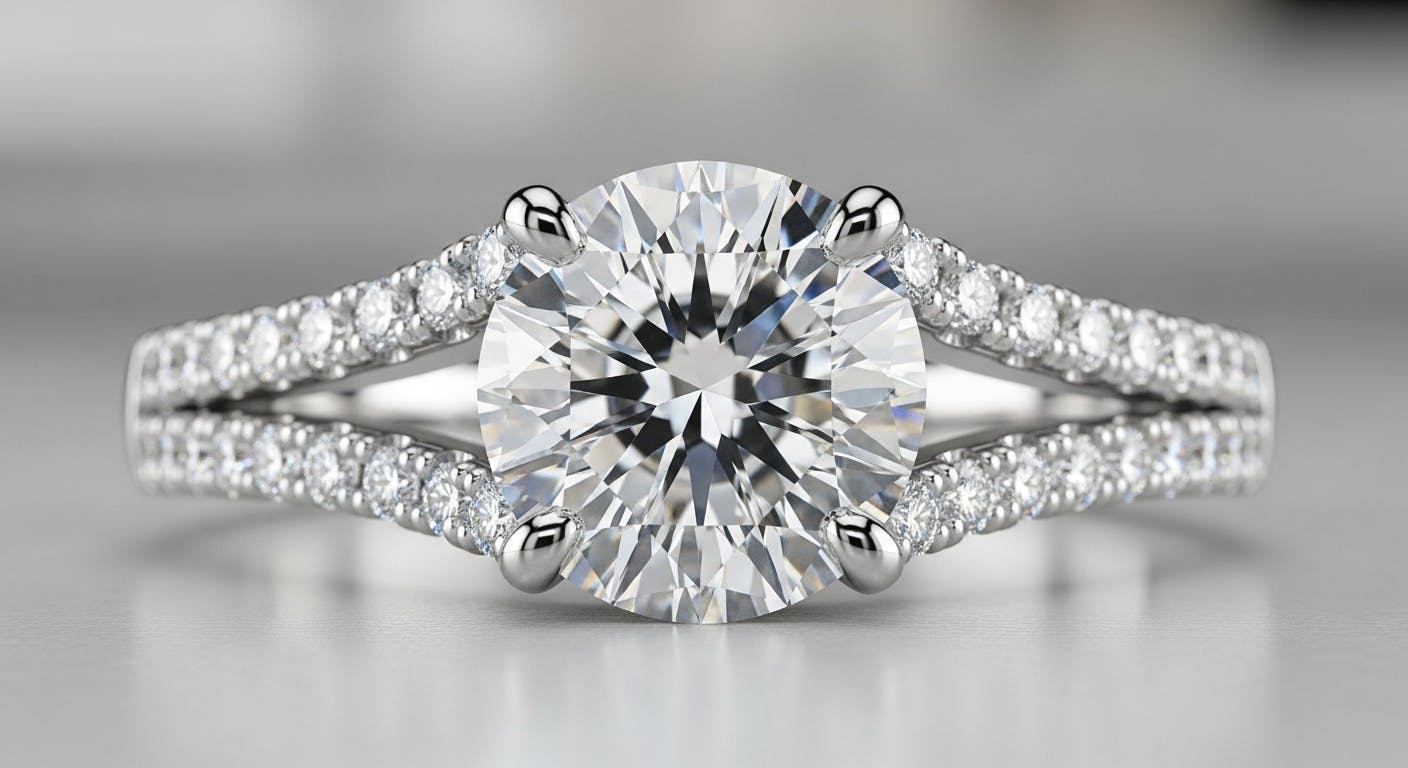
Split Shank Settings: Style That Adds Stability
In a split shank setting, the band divides as it approaches the center stone.
It’s a design choice but also a structural one.
How Split Shanks Help
- Better weight distribution
- Less stress on the center setting
- Makes the diamond appear larger
Split shank designs often pair beautifully with halo or pavé styles.
Must read: Custom vs Ready-Made Engagement Rings: How to Choose the Right Ring for You
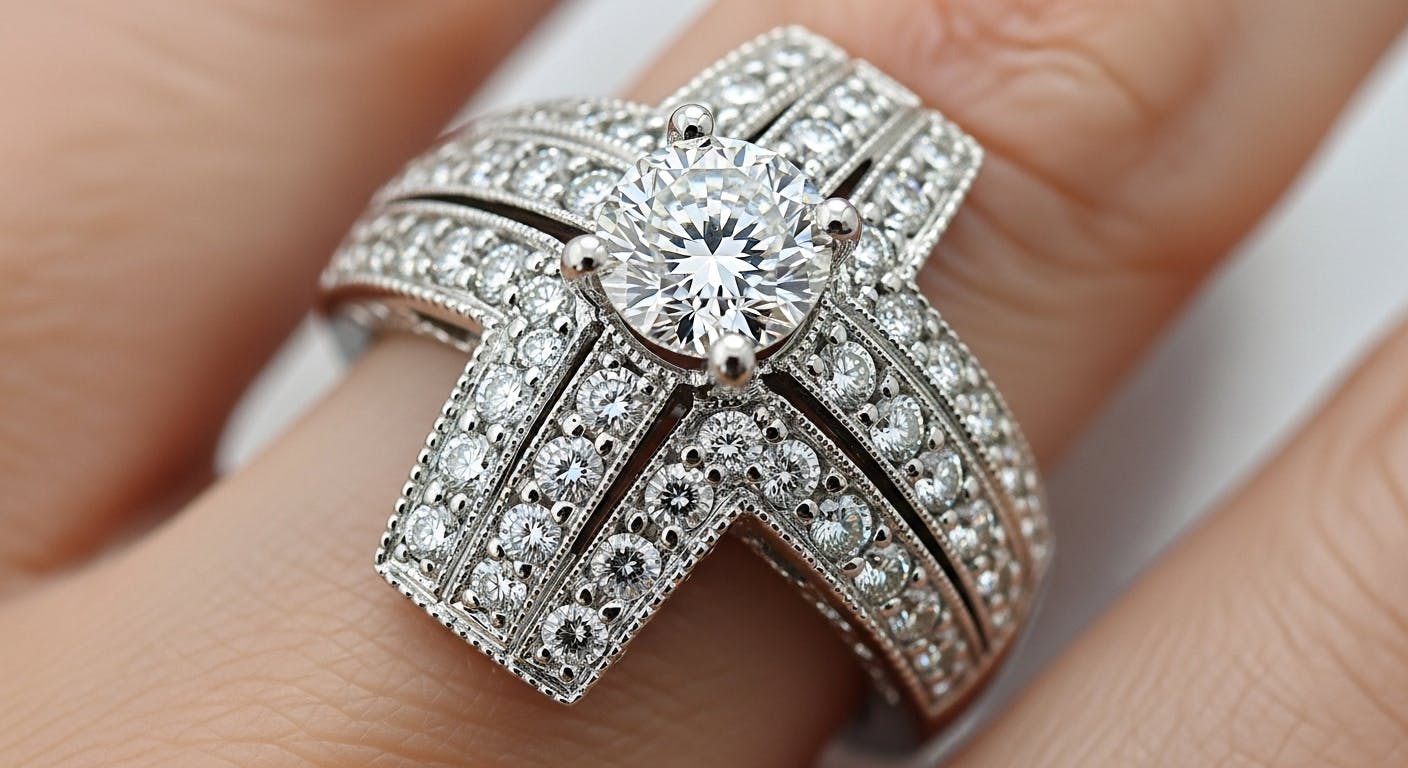
Pavé Settings: Beautiful, with Awareness
Pavé settings feature tiny diamonds set closely together along the band.
They add texture and sparkle but they rely heavily on good craftsmanship.
How to Wear Pavé Confidently
- Choose a well-made setting
- Have it checked occasionally
- Pair pavé with a strong center setting
Pavé works best when it supports a secure design not when it carries the full responsibility.
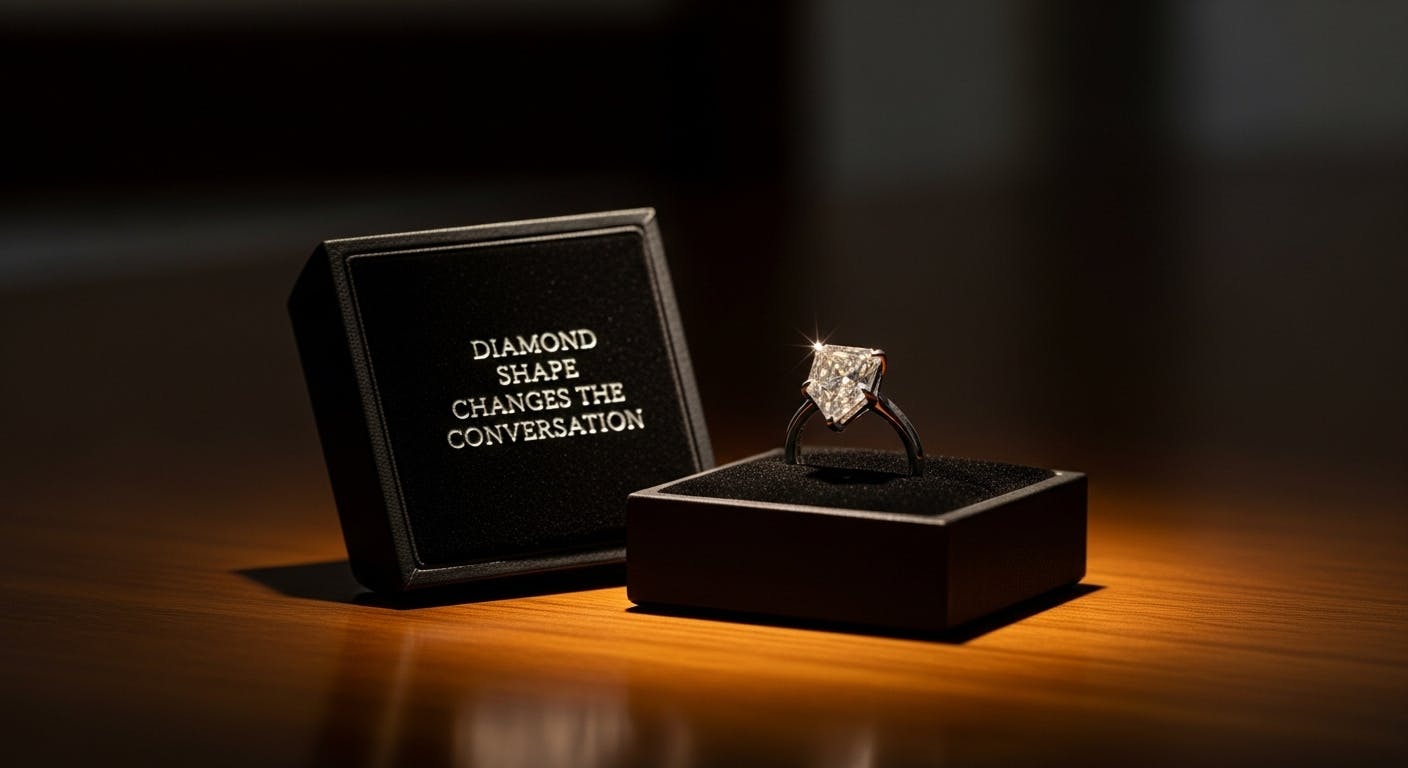
Diamond Shape Changes the Conversation
Different diamond shapes need different kinds of protection.
- Round diamonds – naturally durable
- Marquise – pointed ends need extra care
- Emerald cuts – corners benefit from coverage
- Oval diamonds – feel secure with four or six prongs
Matching the setting to the shape helps the center stone stay exactly where it should without constant worry.
The Metal of the Band Matters Quietly
The metal of the band affects durability more than people realize.
- Platinum – very strong, excellent for prongs
- White gold – durable and classic
- Yellow gold – softer, warm, traditional
A good jeweler helps you choose what fits your lifestyle not just what looks good under showroom lights.
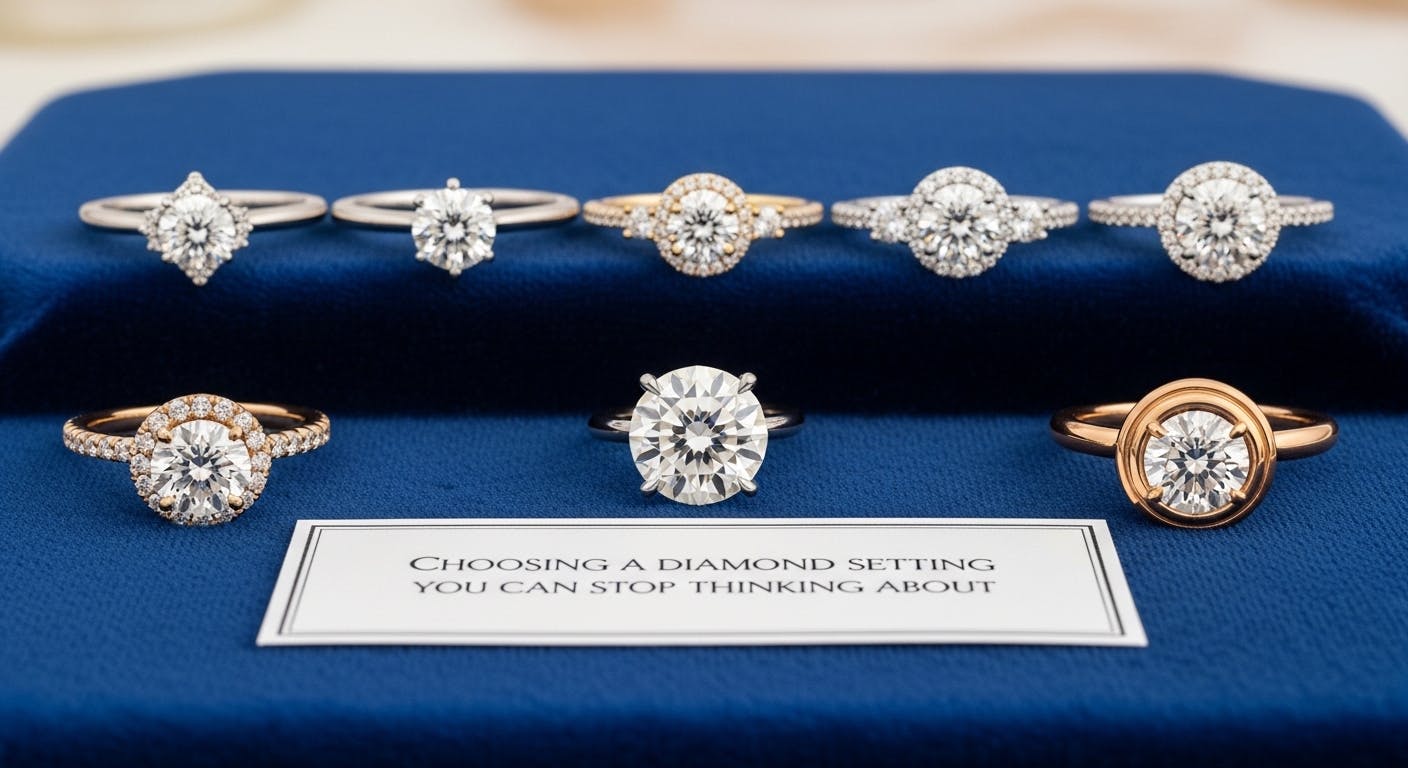
Choosing a Setting You Can Stop Thinking About
When selecting an engagement ring setting, ask yourself:
- Will I wear this every day?
- Do I use my hands often?
- Do I want sparkle, ease, or both?
- Does this setting make me feel calm?
The perfect ring isn’t the one you admire the most.
It’s the one you trust without thinking.
Final Thoughts: A Ring That Belongs in Your Life
Choosing the right engagement ring settings that protect your diamond isn’t about being cautious.
It’s about freedom.
A secure setting lets you live naturally without checking your ring, adjusting your hand, or holding back.
Because an engagement ring isn’t meant to be treated like something fragile.
It’s meant to move with you through ordinary days, meaningful moments, and everything in between, just like thoughtfully chosen Readymade Engagement Rings that are designed to fit seamlessly into real life.