
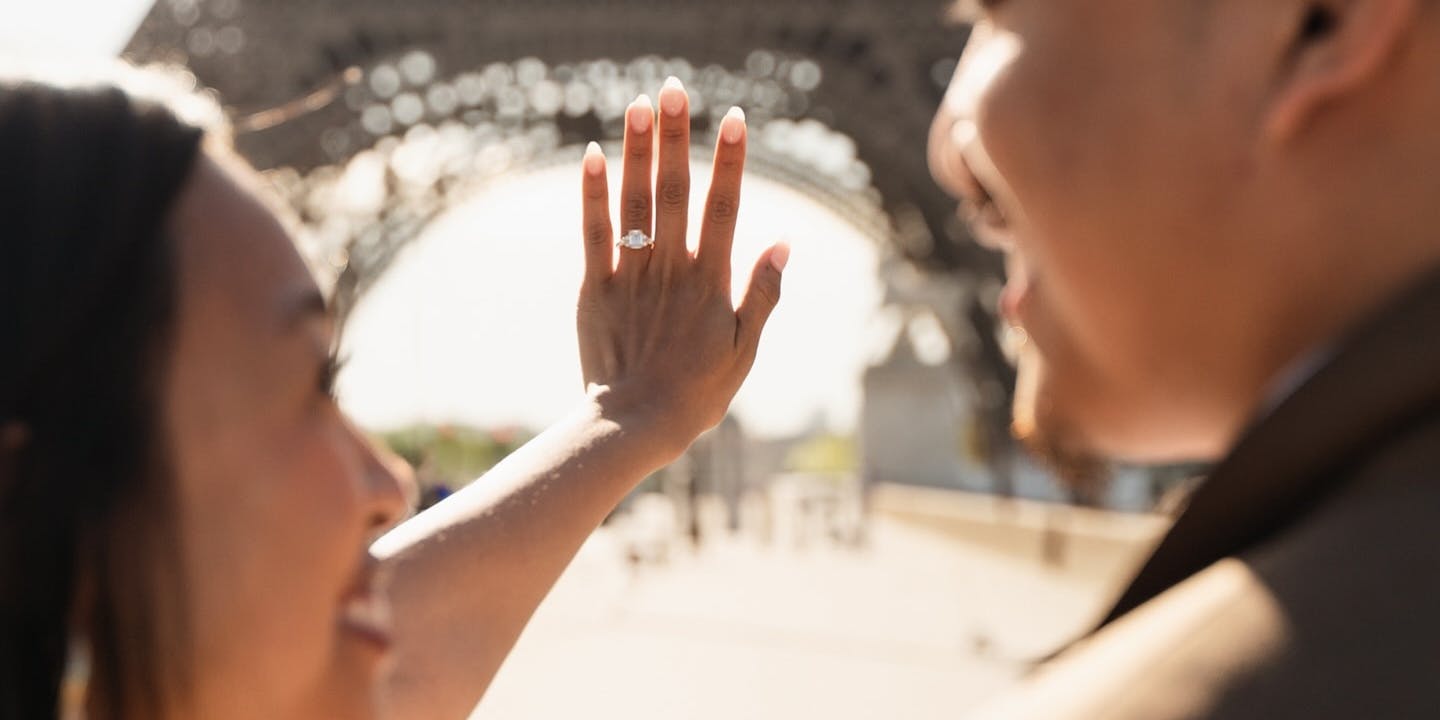
Let’s be honest: choosing an engagement ring can feel a little overwhelming.
You walk into a jewelry shop in Vancouver or scroll online, and suddenly there are a hundred different terms: solitaire, pavé, halo, bezel, cathedral, tension.
It’s not just “pick a diamond and you’re done.” Oh no. The ring style and the setting matter just as much as the diamond itself. And here’s why: the style you choose will live on your hand (or your partner’s hand) every single day. It’s not just jewelry it’s your love story in metal and stone.
By the end of this guide, you’ll know the difference between popular ring styles and settings, and more importantly, you’ll have a clearer idea of which one feels perfect for your love story.
Why Ring Styles & Settings Actually Matter
Think of a diamond as the star of the show. Now think of the style and setting as the stage, the spotlight, and the frame around it.
- The style is the overall design and vibe. Is it classic and elegant? Bold and modern? Romantic and vintage?
- The setting is more practical, it’s how the diamond is held in place. Prongs, bezel, pavé… each one affects the sparkle, security, and even comfort.
Here’s the kicker: the same diamond can look totally different in different settings. A round diamond in a solitaire feels timeless. The same diamond in a halo looks twice as big and twice as sparkly. That’s why couples exploring options at diamond stores in Vancouver often spend extra time trying on different styles and settings. The right combination makes all the difference.
So, styles and settings aren’t just fancy words. They decide whether your ring is low-key and practical, or dramatic and head-turning.
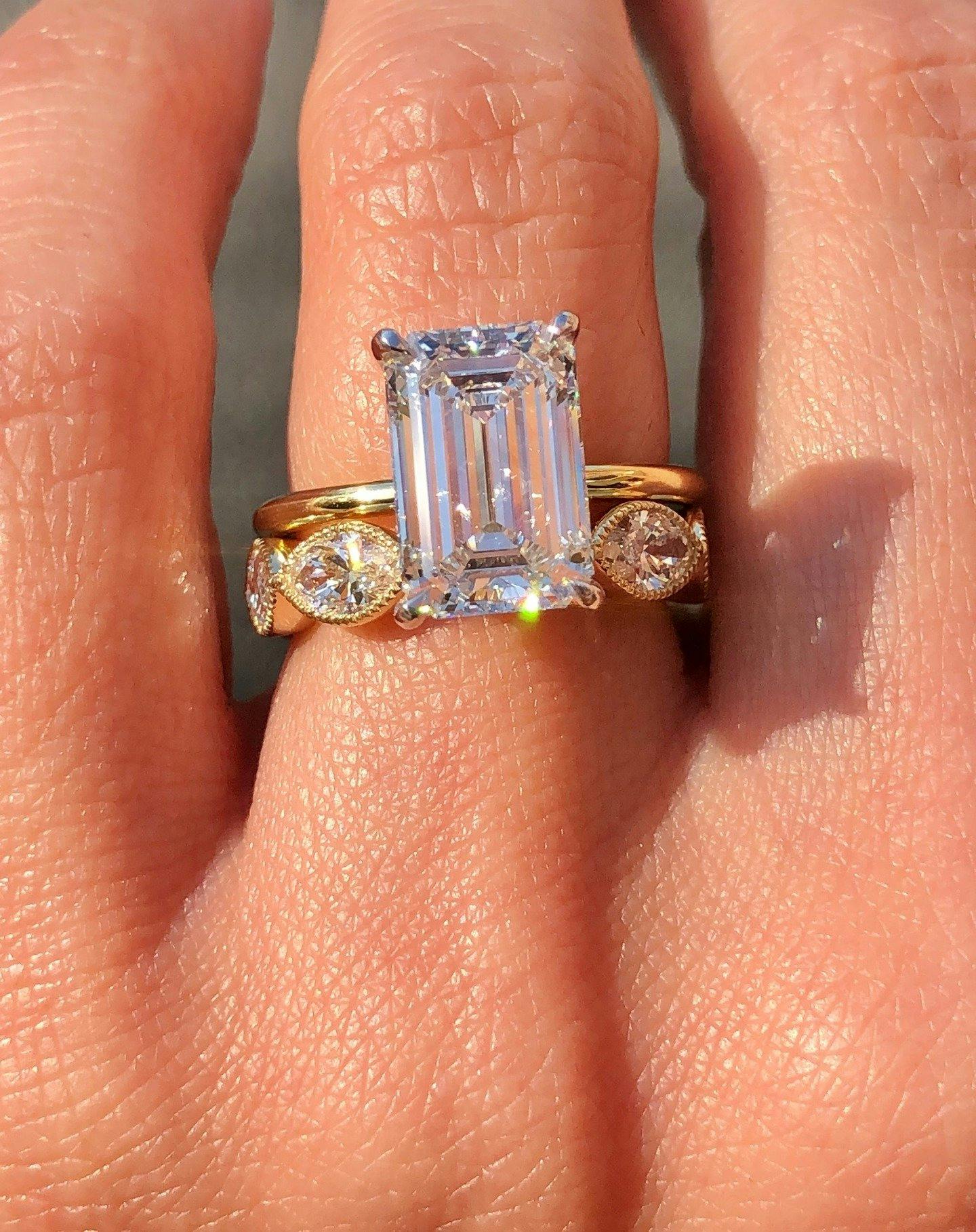
Read More: A Complete Guide: The Difference Between Wedding Bands and Engagement Rings
The Most Popular Diamond Engagement Ring Styles
Solitaire Engagement Rings
If engagement rings had a “classic icon,” it would be the solitaire. One diamond, one band, zero distractions.
Why people love it:
It’s timeless. It’s the Audrey Hepburn of rings simple, elegant, and always in style. I know someone who got engaged 30 years ago with a solitaire. Guess what? That same ring still feels just as perfect today.
Who it’s for:
Someone who loves simplicity and doesn’t need extra sparkle to make a statement. Minimalists, tradition-lovers, or anyone who believes less is more.
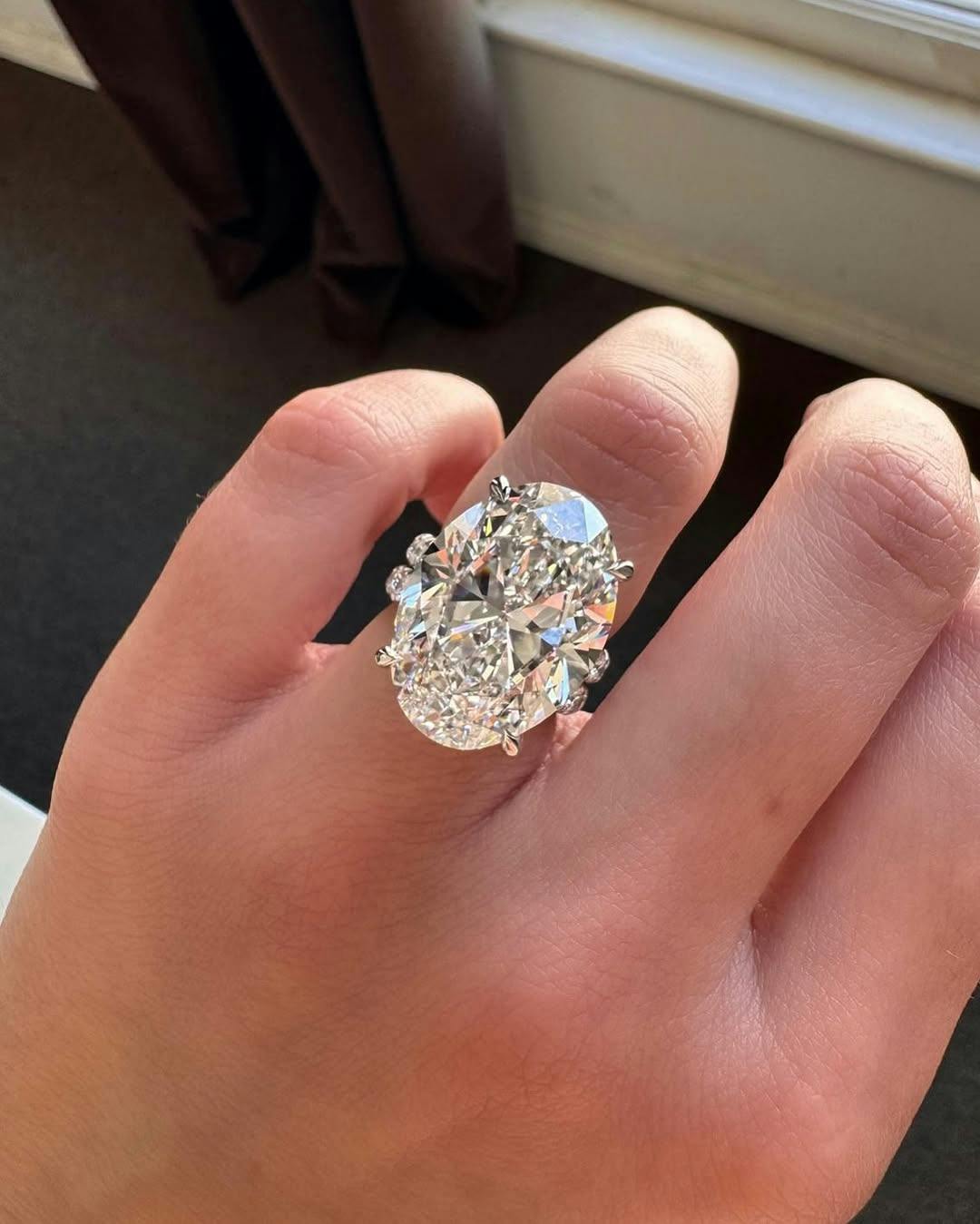
Pavé Engagement Rings
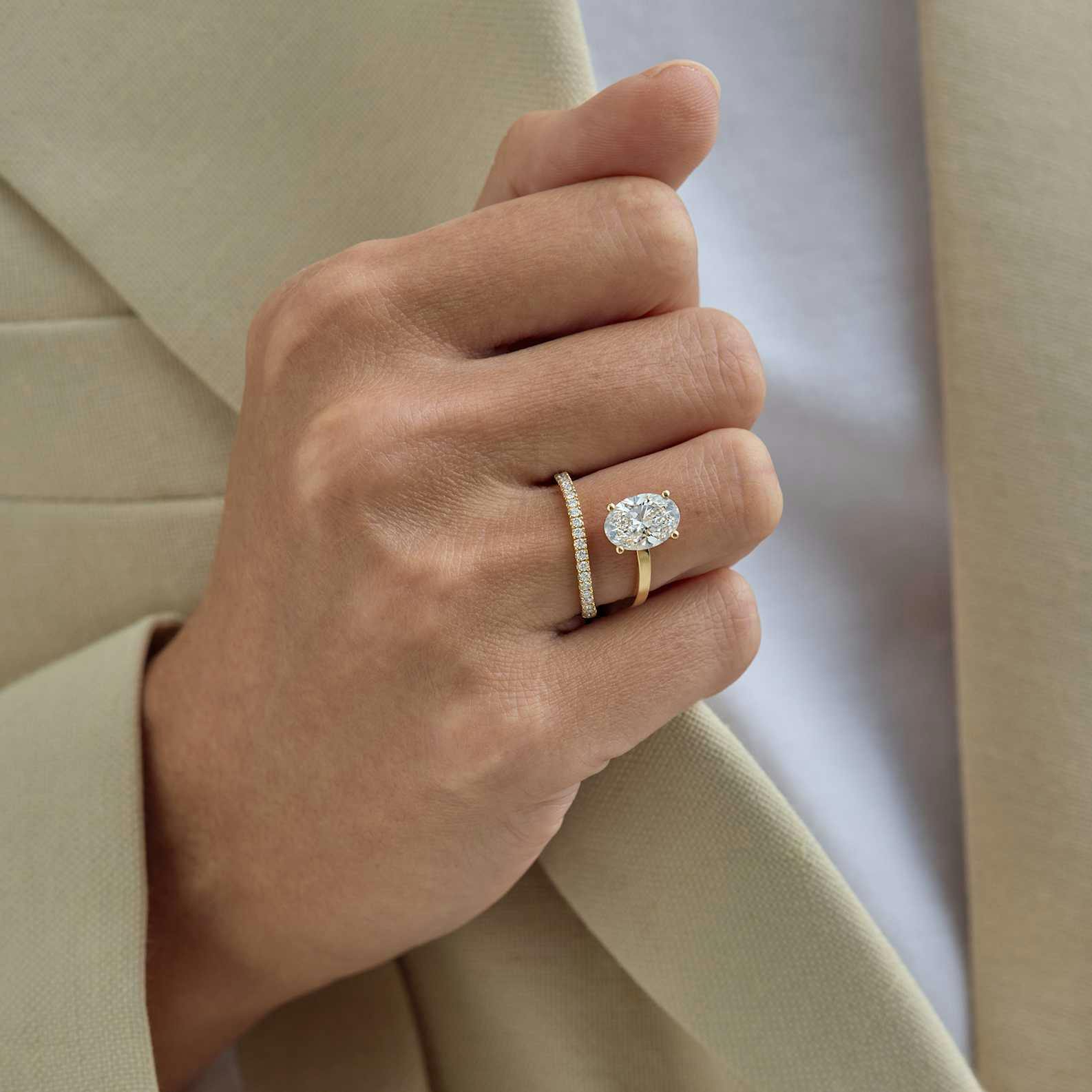
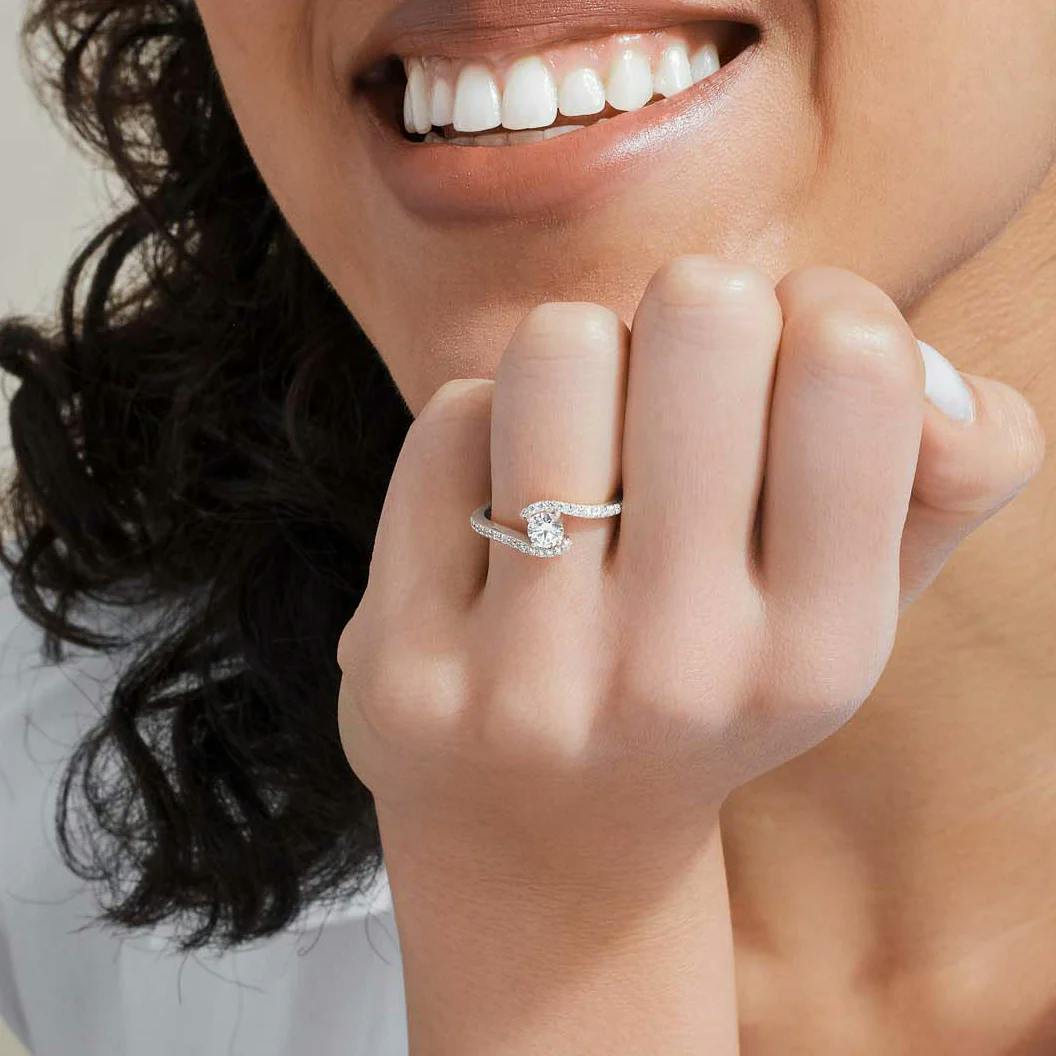
Now imagine tiny diamonds paving the band, like a path of sparkle leading to the centre stone. That’s pavé.
Why people love it:
Because pavé takes a plain band and makes it glamorous. Even a modest centre diamond looks dazzling when it’s surrounded by all that shimmer.
But here’s the catch pavé rings can be a little delicate. If your partner is super active or works a hands-on job, those tiny diamonds need care to stay secure.
Who it’s for:
Someone who loves sparkle and doesn’t mind a little extra attention.
Also Read: Hidden Halo Engagement Rings: Why They're Trending
Halo Engagement Rings
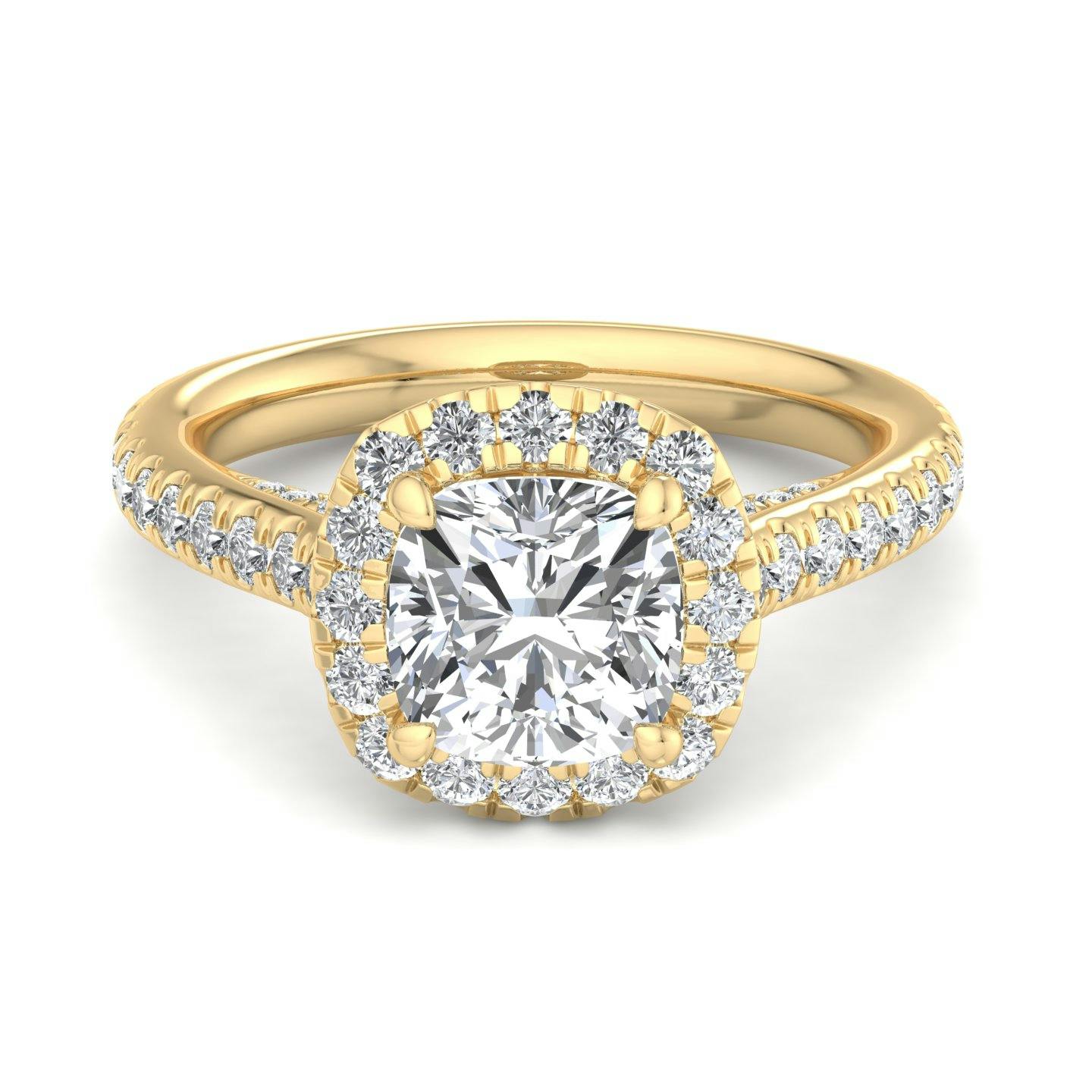
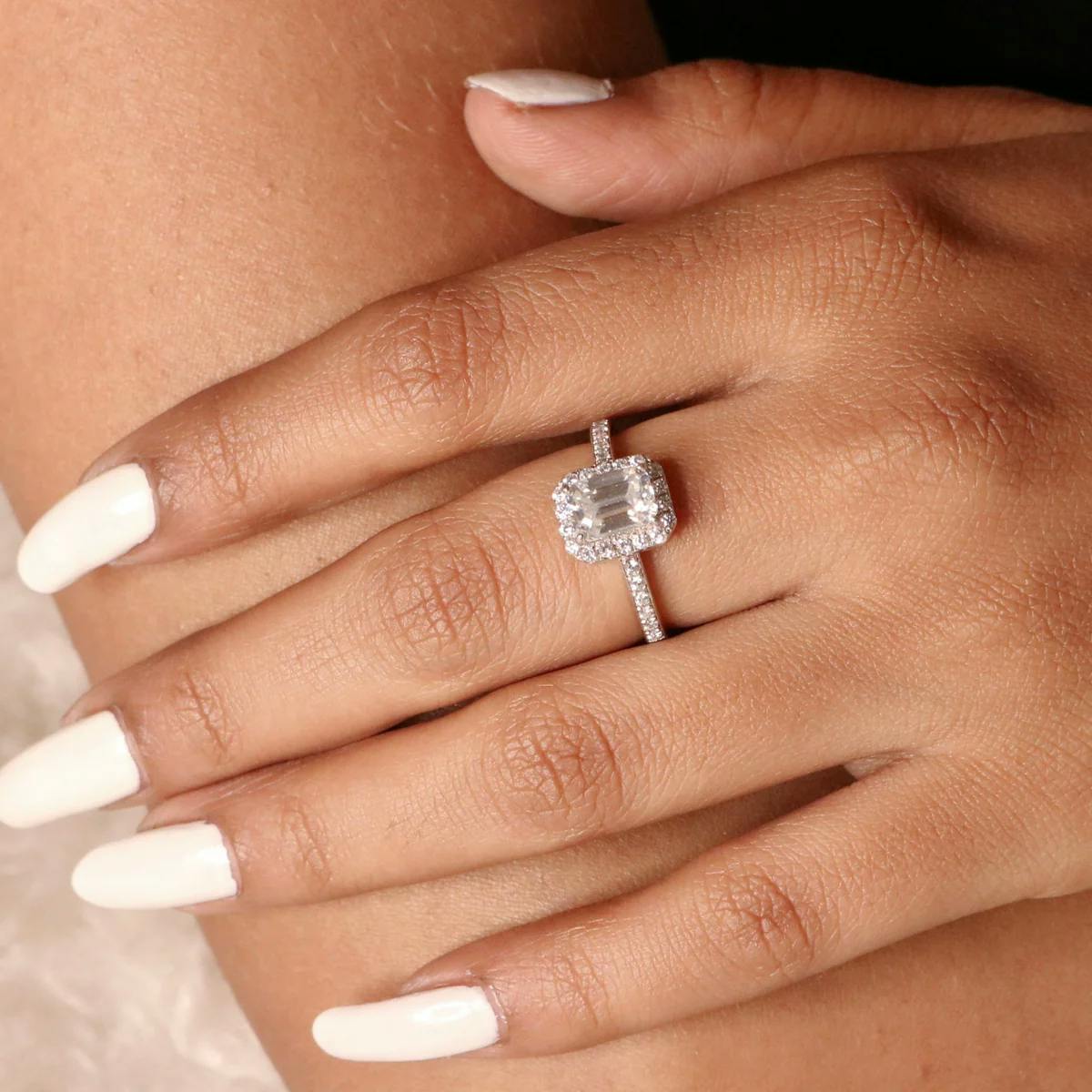
This one is for the sparkle-obsessed. A halo ring surrounds the centre diamond with a ring of smaller diamonds.
Why people love it:
Because it creates the illusion of a much bigger diamond. A 1-carat centre stone in a halo can look closer to 1.5–2 carats. Brides who want a dramatic look without doubling the budget often fall for halos.
Who it’s for:
Someone who loves glamour, shine, and that unmistakable “wow” factor.
Three-Stone Engagement Rings
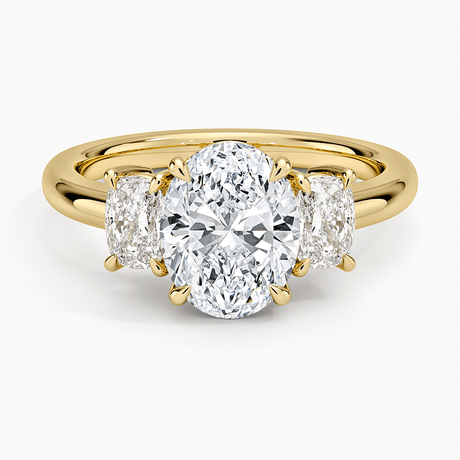
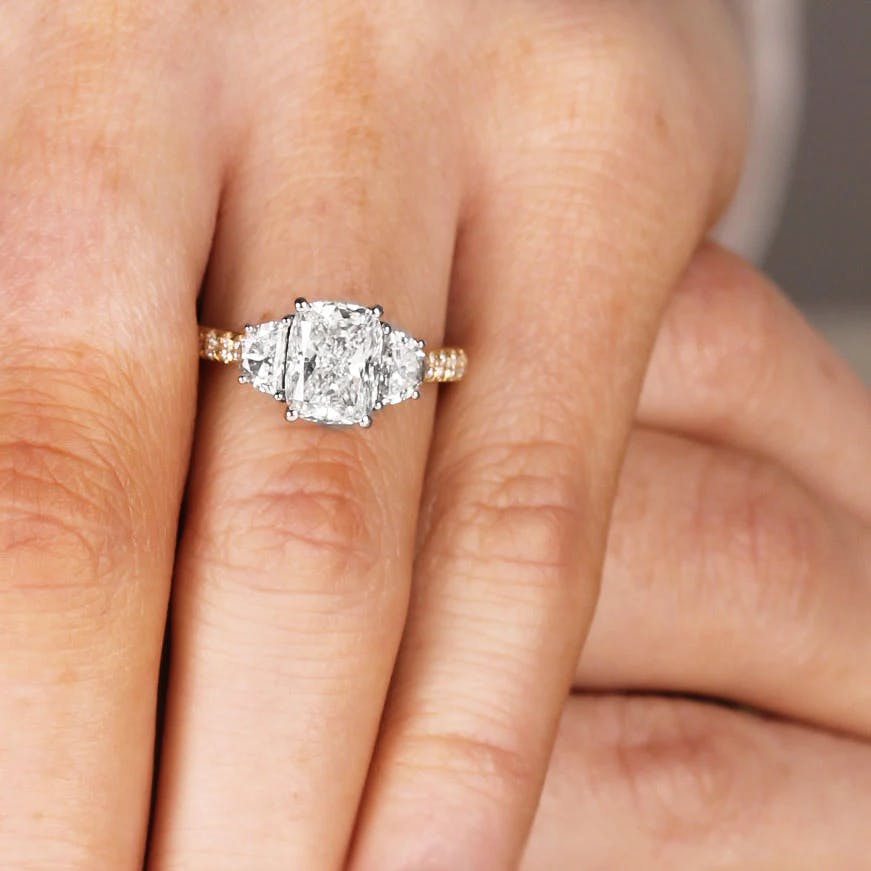
This style puts three diamonds side by side, usually with the centre stone slightly larger.
Why people love it:
Because it’s not just pretty it’s meaningful. The three stones represent your past, present, and future together. It’s like wearing your love story on your finger.
Who it’s for:
The sentimental bride, the romantic, or anyone who loves a little symbolism mixed in with sparkle.
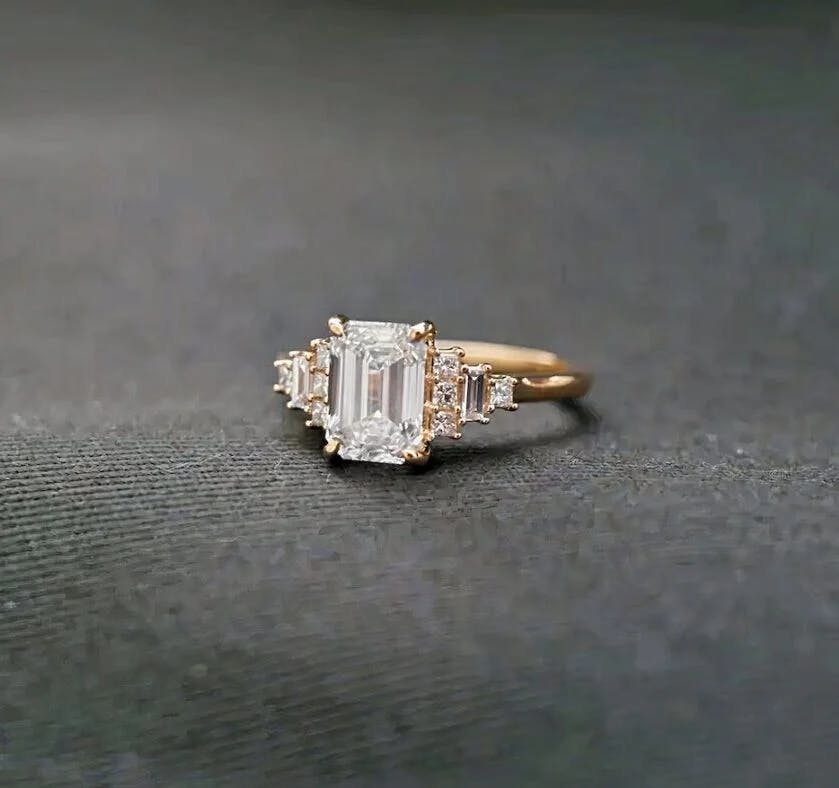
Vintage Engagement Rings
Vintage-style rings bring back the beauty of past eras think Art Deco patterns, Victorian filigree, or Edwardian milgrain details.
Why people love it:
Because they’re unique. A vintage-inspired ring feels like jewellery with a soul, as if it already has a story. Some people love the idea that their ring could be passed down for generations.
Who it’s for:
The dreamer. The romantic. The one who loves period dramas and timeless beauty.
Modern Engagement Rings
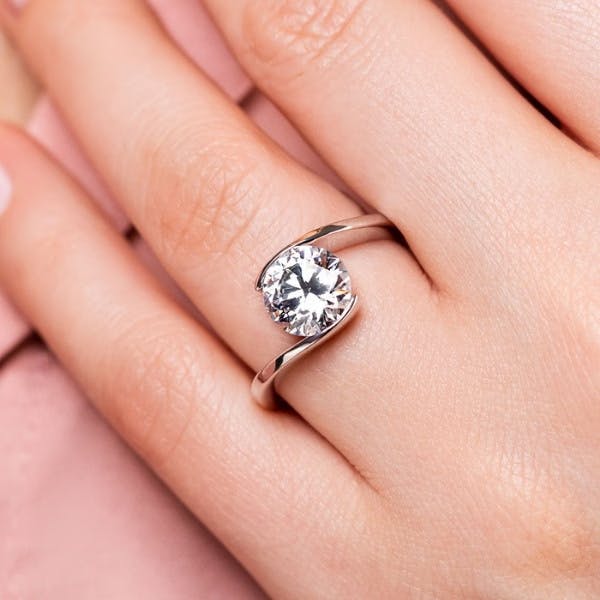
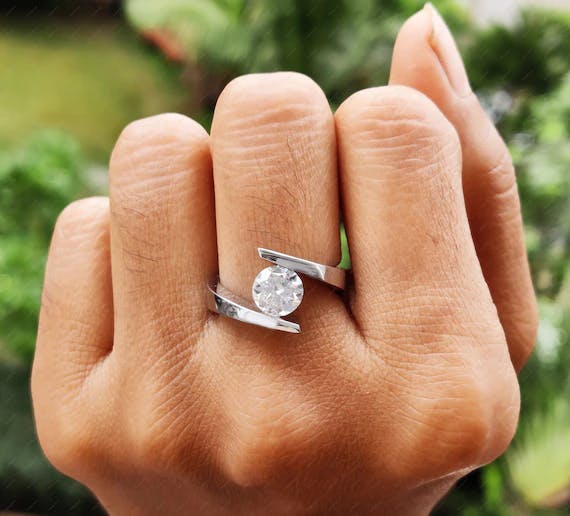
On the other end of the spectrum are modern rings. Clean lines, bold shapes, maybe even an unusual setting like a tension or east-west design.
Why people love it:
Because it’s different. A modern ring stands out without needing extra stones. It feels bold, fresh, and a little artistic.
Who it’s for:
Trendsetters, minimalists, or anyone who wants a ring that doesn’t follow tradition.
The Most Common Engagement Ring Settings
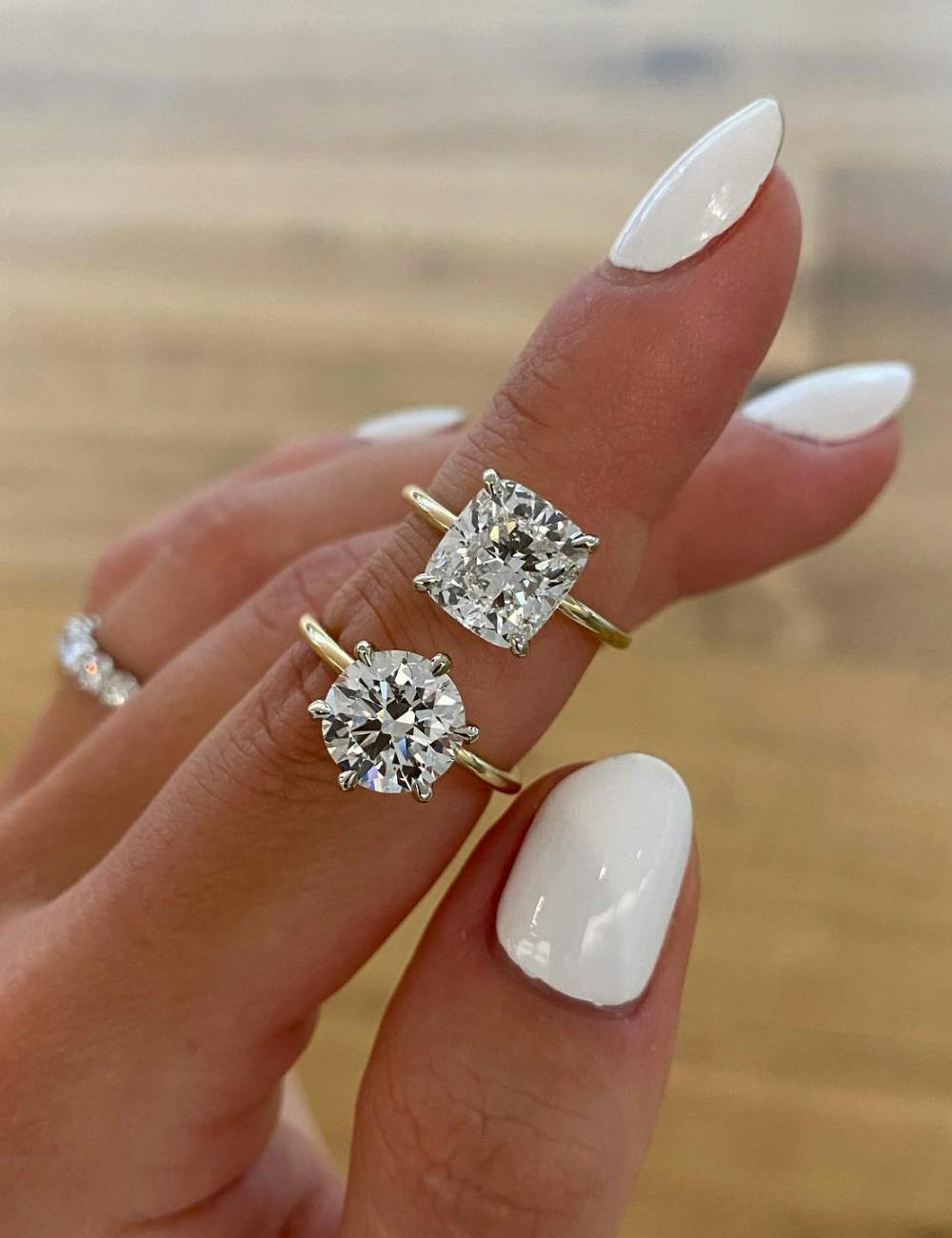
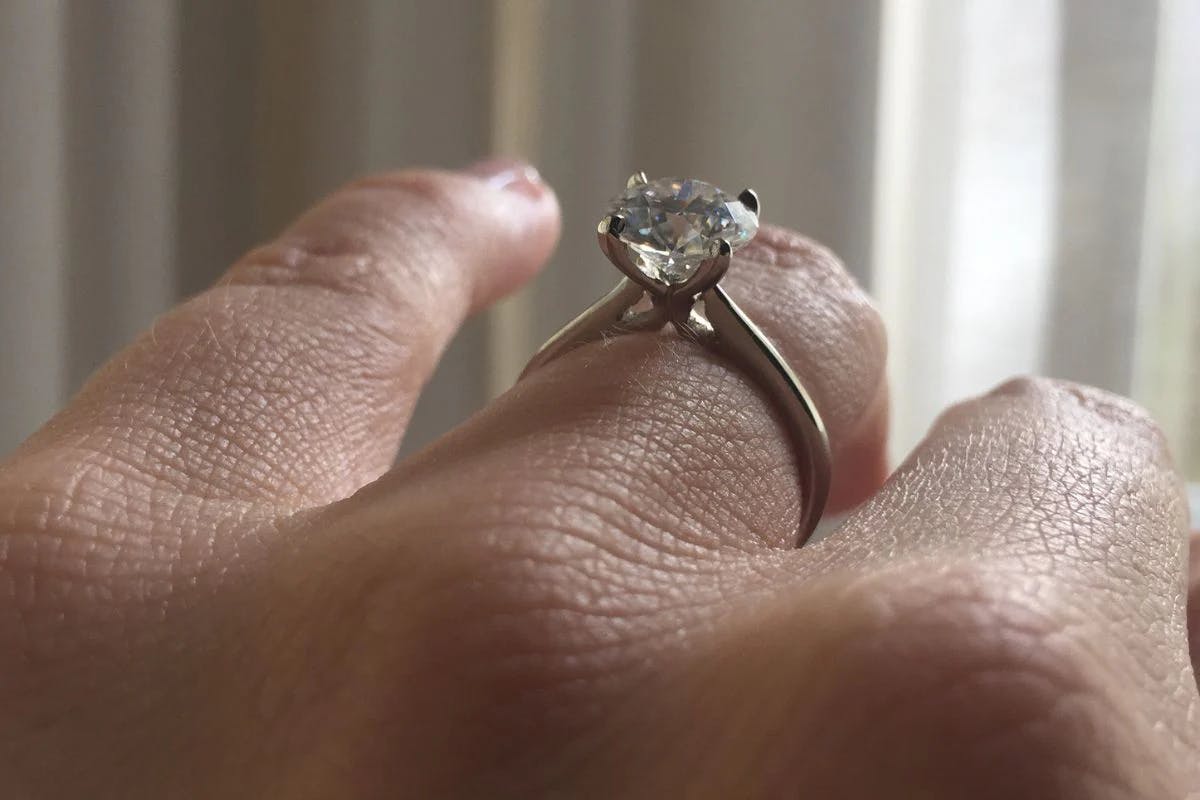
Prong Setting
This is the classic a few metal prongs grip the diamond, holding it up so light hits from every angle.
Why it works:
Because it shows off the diamond beautifully and adds maximum sparkle. But if the prongs sit high, the diamond can snag on clothes.
Best for:
Someone who loves classic shine and isn’t too worried about snagging sweaters.
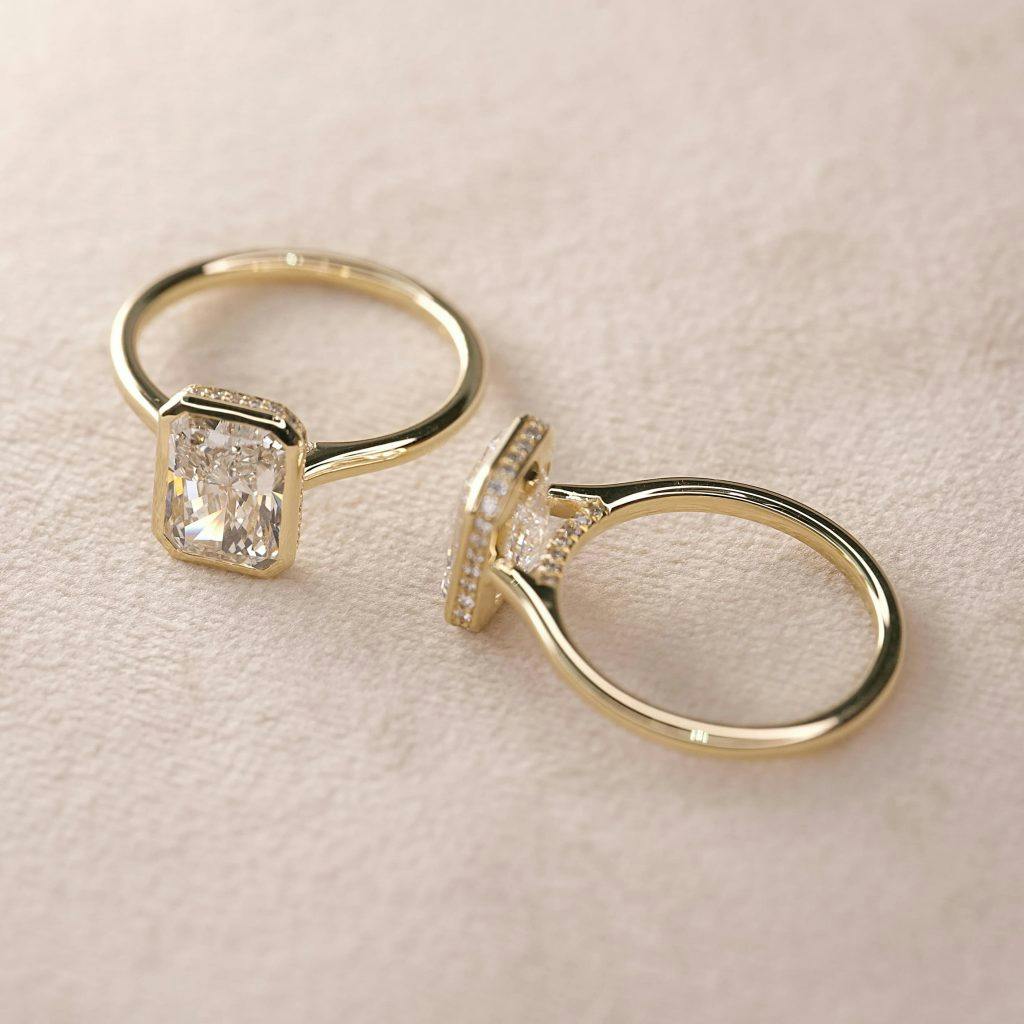
Bezel Setting
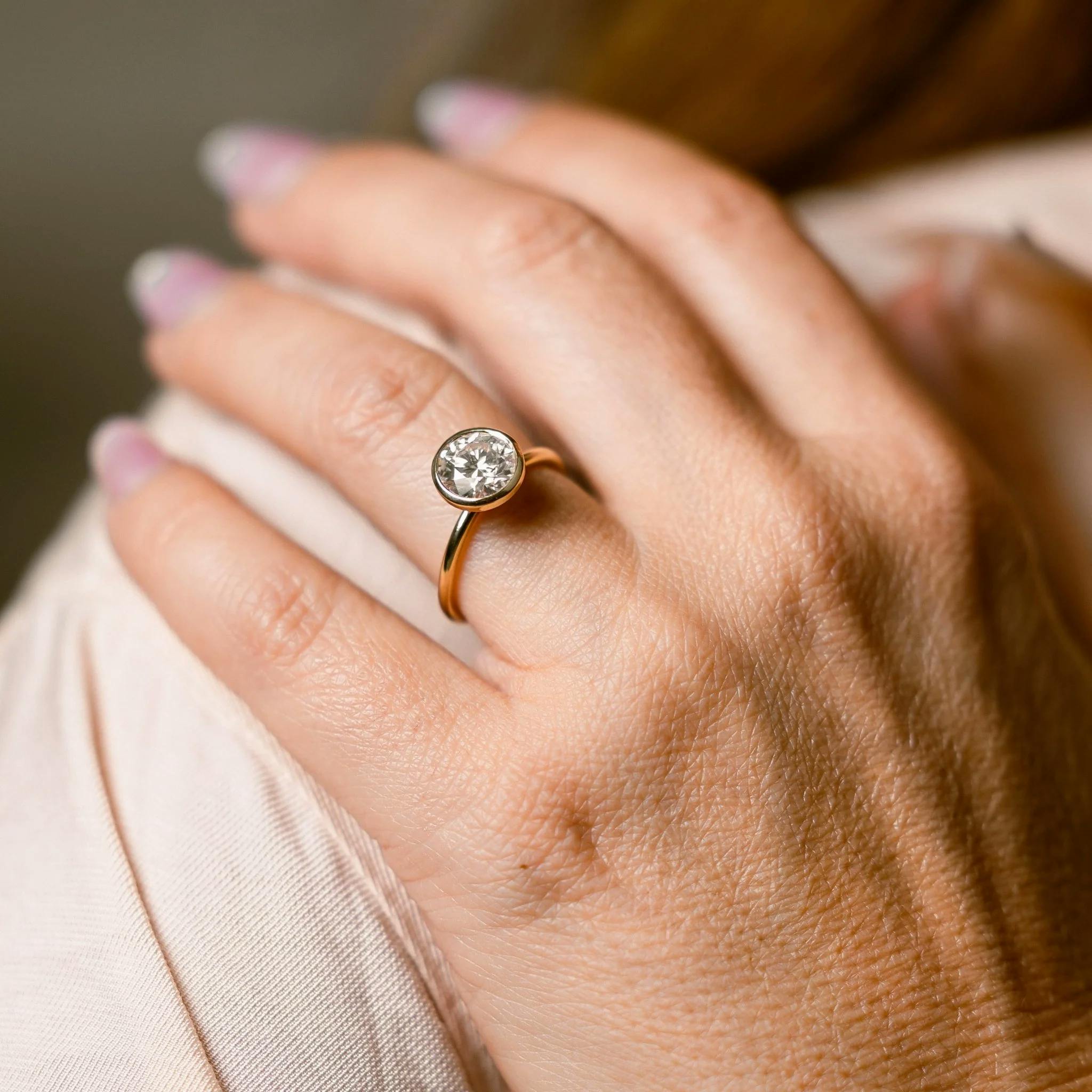
Here, the diamond is wrapped in a thin rim of metal instead of prongs.
Why it works:
It’s sleek and modern, but most importantly, it’s super secure. Perfect for people with active lifestyles nurses, chefs, athletes who can’t risk knocking their diamond loose.
Best for:
Someone practical who still loves elegance.
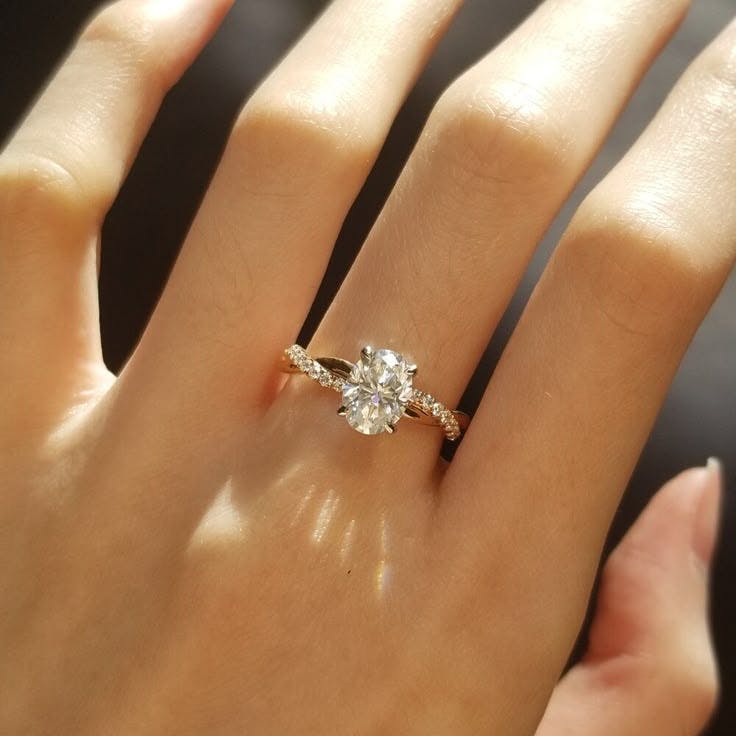
Pavé Setting
Yes, pavé isn’t just a style it’s also a type of setting for the band.
Why it works:
Because it turns the band into a little river of sparkle. It makes the whole ring shine without relying only on the centre stone.
Best for:
Brides who love dainty details and extra shimmer.
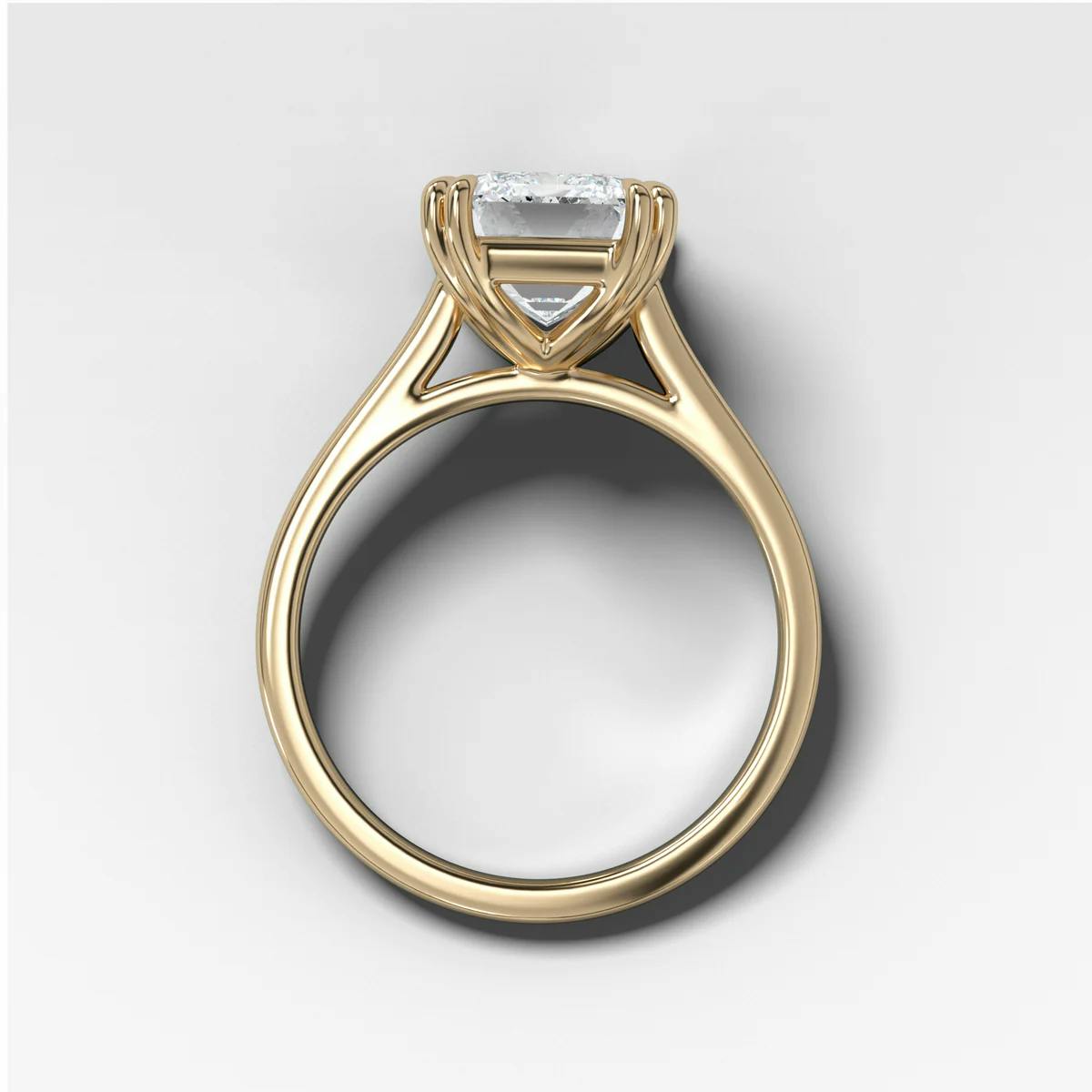
Cathedral Setting
Named after cathedral arches, the band sweeps upward to hold the diamond high.
Why it works:
It makes the diamond look larger and more dramatic, without adding extra stones. It’s elegant, but the raised height means it’s not the most practical for everyone.
Best for:
Someone who loves drama and elegance, and isn’t worried about bumping the ring.
Tension Setting
This is the showstopper of modern design. The diamond looks like it’s floating, held in place by pressure between the ends of the band.
Why it works:
Because it’s sleek, bold, and totally different from traditional rings. But it also requires skilled craftsmanship to ensure the stone stays safe.
Best for:
Modern brides who love something unique and artsy.
How to Choose the Right Style & Setting
Choosing isn’t just about what looks pretty in the shop window. Here’s what to think about:
Her personality
- Classic? Go solitaire.
- Glamorous? Halo or pavé.
- Romantic? Three-stone or vintage.
- Modern? Tension or sleek bezel.
Her lifestyle
- Works with her hands? Low-profile bezel or solitaire.
- Loves glamour? Halo or pavé.
Your budget
- Want bigger sparkle without bigger cost? Halo.
- Want timeless elegance? Solitaire.
The future
- Will it still feel right in 20 years?
- Will it fit with a wedding band later?
Mistakes to Avoid
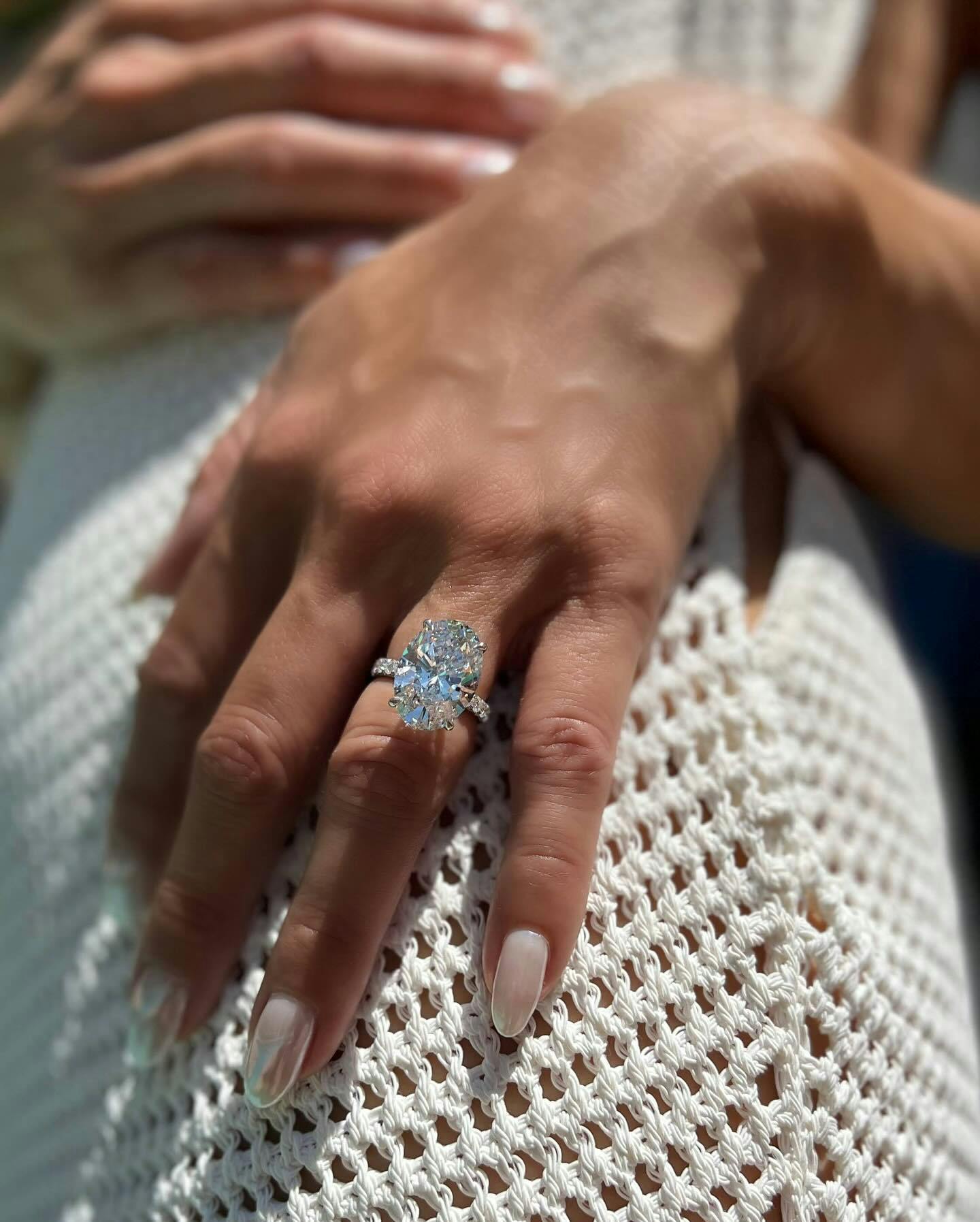
- Only chasing size. Bigger isn’t always better. Balance matters more.
- Ignoring lifestyle. A halo is gorgeous, but not practical for a nurse wearing gloves daily.
- Forgetting comfort. A ring should feel as good as it looks.
- Skipping research. The more you learn, the better your choice.
Final Thoughts
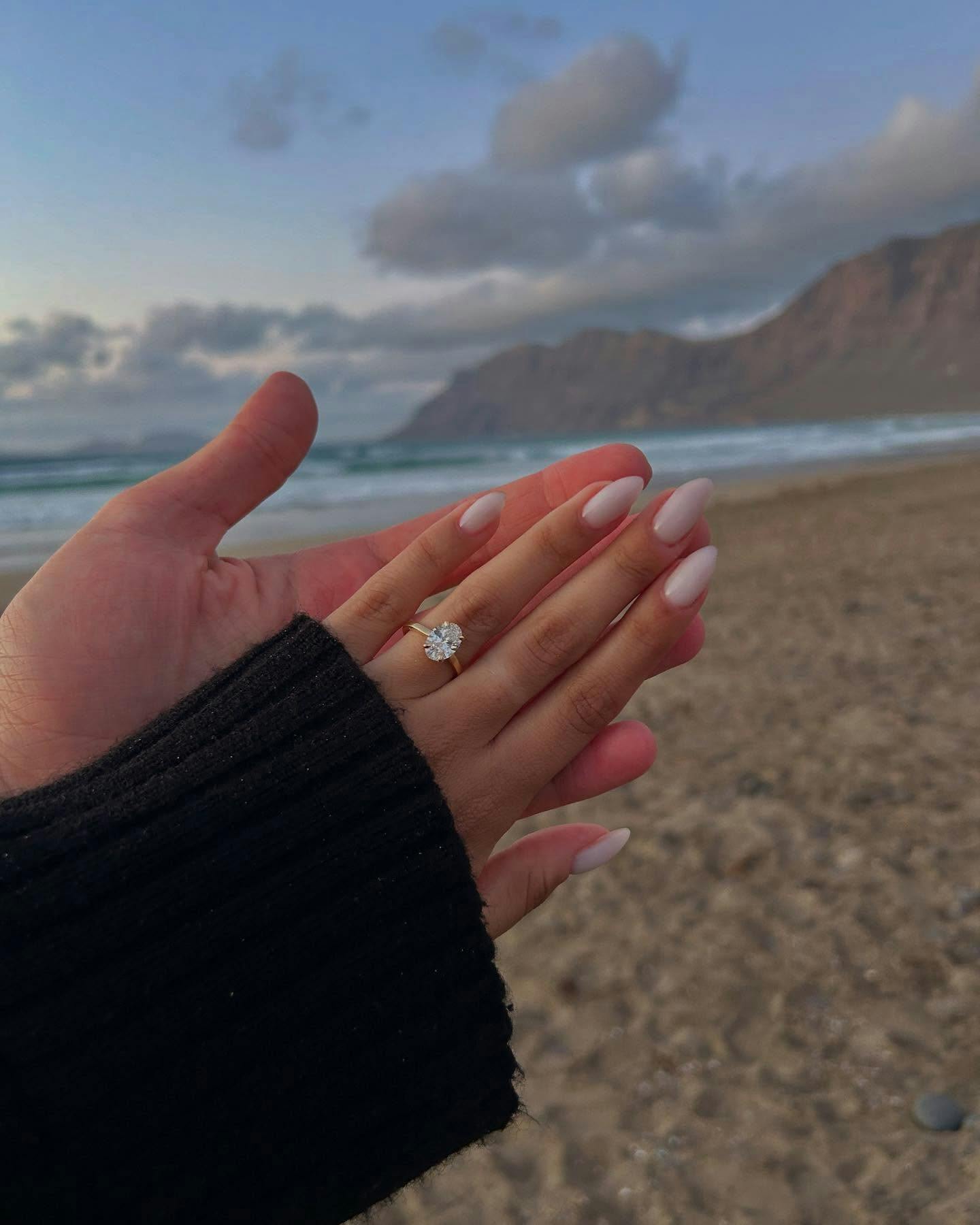
At the end of the day, there’s no “right” or “wrong” choice. The perfect engagement ring is the one that feels like her.
It doesn’t need to be the biggest. It doesn’t need to be the trendiest. It just needs to be chosen with love and thought.
So whether you end up with a timeless solitaire, a sparkling halo, or a bold modern design trust yourself. If it feels right for her, you’ve found the one.