So you’ve decided you want a diamond engagement ring.
You’ve maybe even picked your metal, your budget, your vibe.
And then you hit that question:
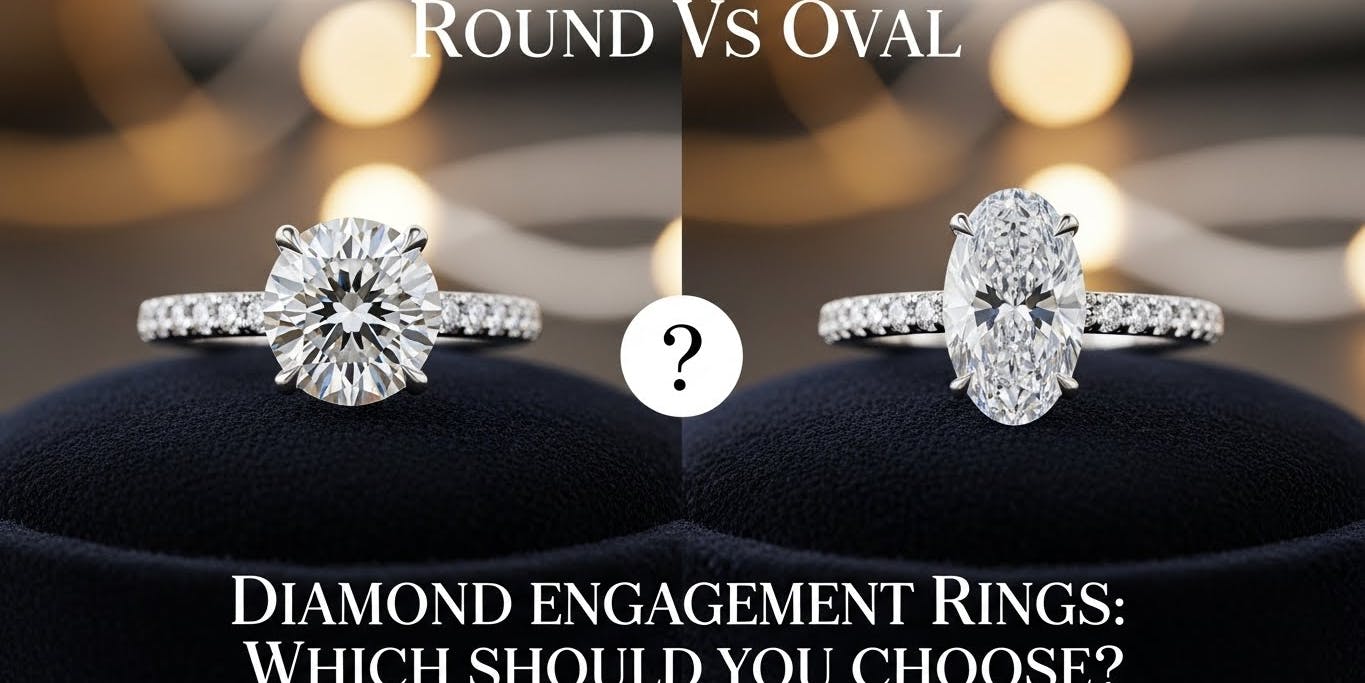
Oval vs round which diamond should I choose?
Don’t worry, you’re not the only one stuck between these two.
The round diamond is the classic choice. The oval diamond is its slightly modern, slightly artsy cousin. Both are beautiful. Both can be timeless. And both can look very different once they’re actually on your hand.
Let’s walk through this slowly and simply no pressure, no jargon overload so you can decide whether you’re a round person, an oval person, or maybe still a “I need to try both on” person.
First Things First: The Shape Story
Round Cut Diamond – The Classic
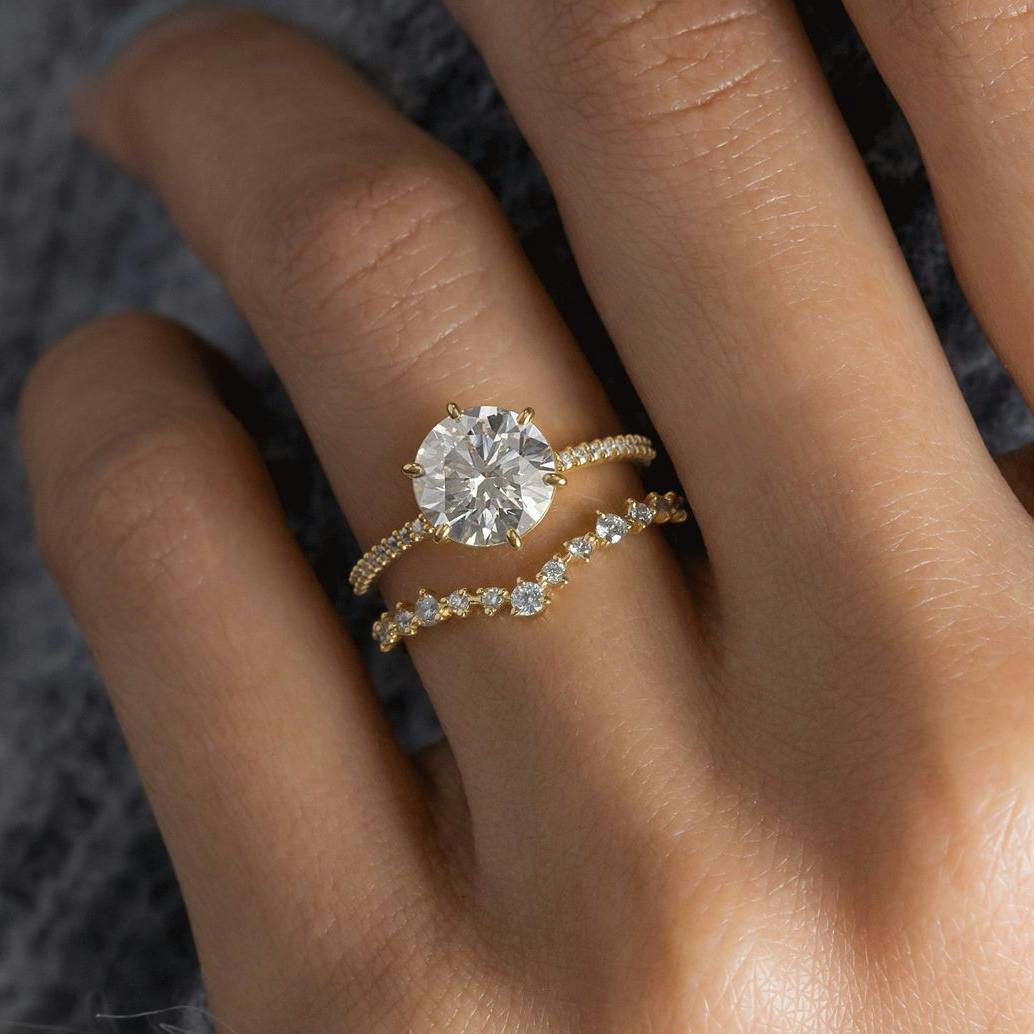
The round cut diamond (also called a round brilliant cut diamond) is the most popular diamond shape in the world. When people say “diamond ring,” this is usually what they picture.
A round diamond is:
- Perfectly circular
- Cut with a brilliant cut lots of facets to maximize sparkle
- Designed to give maximum fire and brilliance
Because of its faceting structure and concentrated shape, the round is often considered the “ideal” diamond’s cut when it comes to pure light performance. That’s why diamonds are often graded with special cut grade systems just for round brilliants.
Oval Cut Diamond – The Glow-Up Version
An oval cut diamond is basically a stretched round brilliant. It has:
- A soft oval shape – longer than it is wide
- The same style of brilliant cut facets as a round
- An elongated shape that can elongate the look of your finger
Think of an oval as a round that’s been gently pulled from the top and bottom. You still get brilliance and fire, but in a more modern, elegant outline.
Many people love the oval cut because it feels like the best of both worlds:
- It combines the brilliance of a round
- With a softer, more romantic oval shape
Must Read: Is an Emerald Cut Diamond Engagement Ring Right for You?
How They Look on the Hand
Here’s where the “oval vs round” debate really gets interesting.
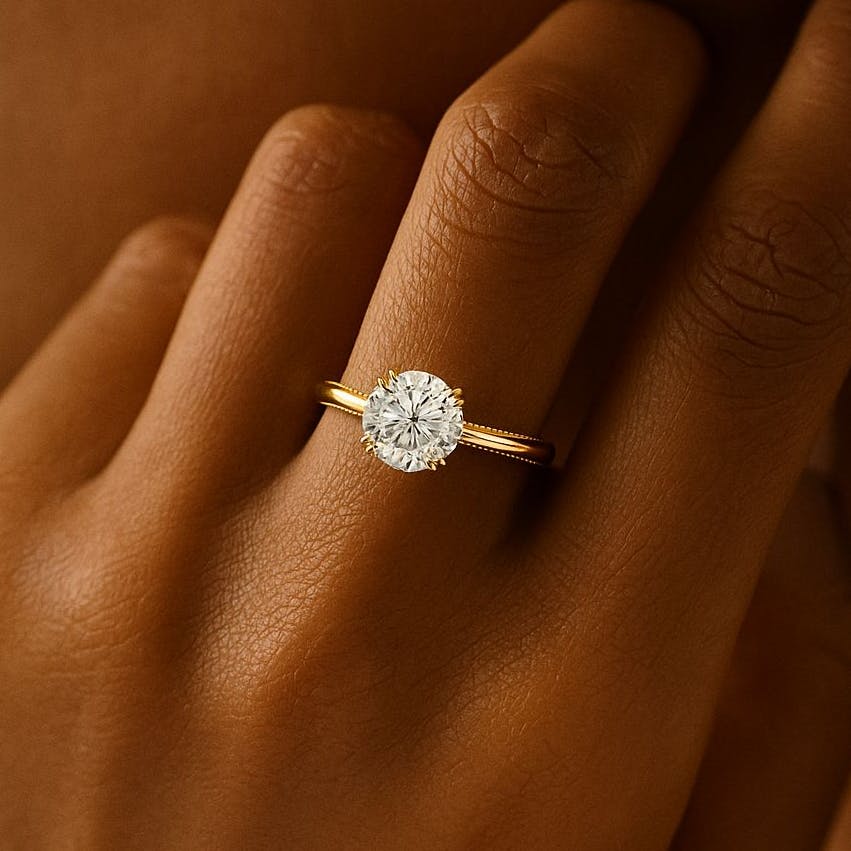
Round: Balanced and Classic
A round engagement ring tends to feel:
- Balanced
- Symmetrical
- Very “bridal” in the traditional sense
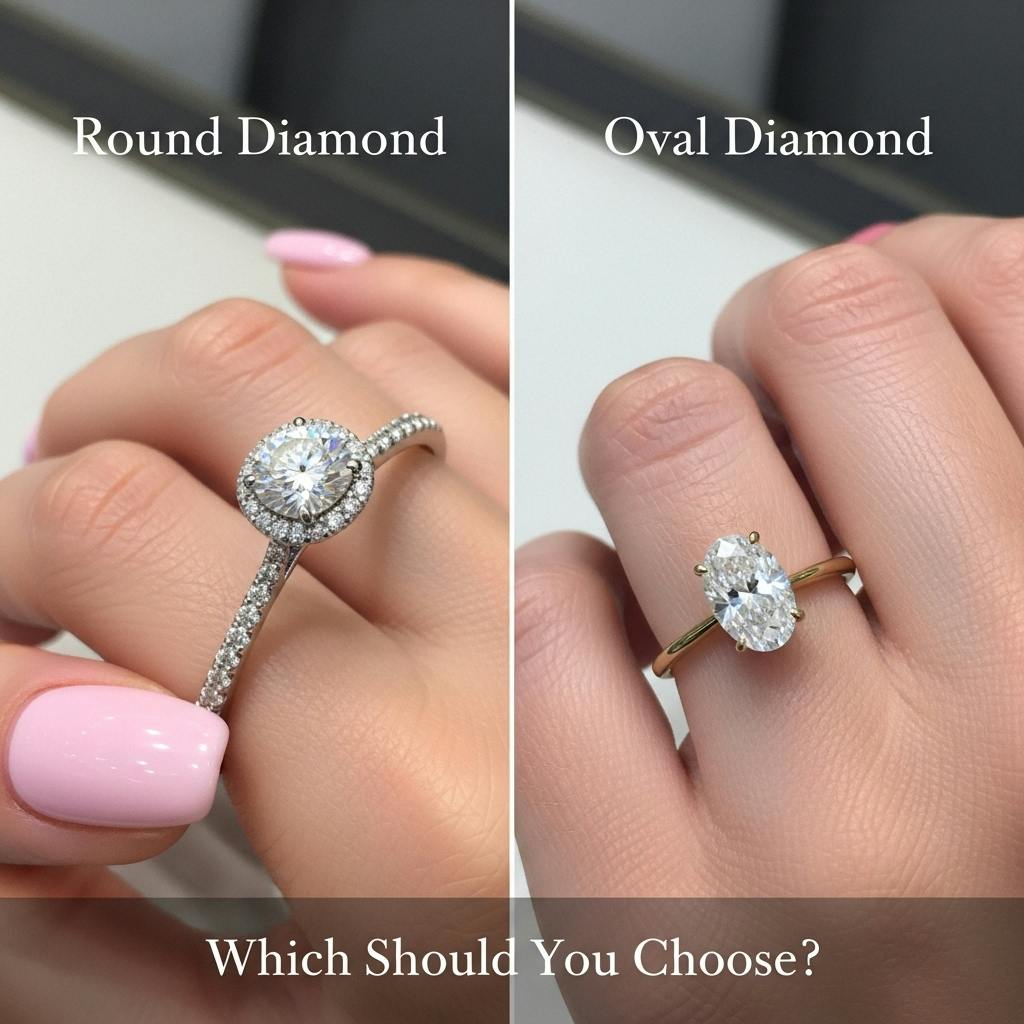
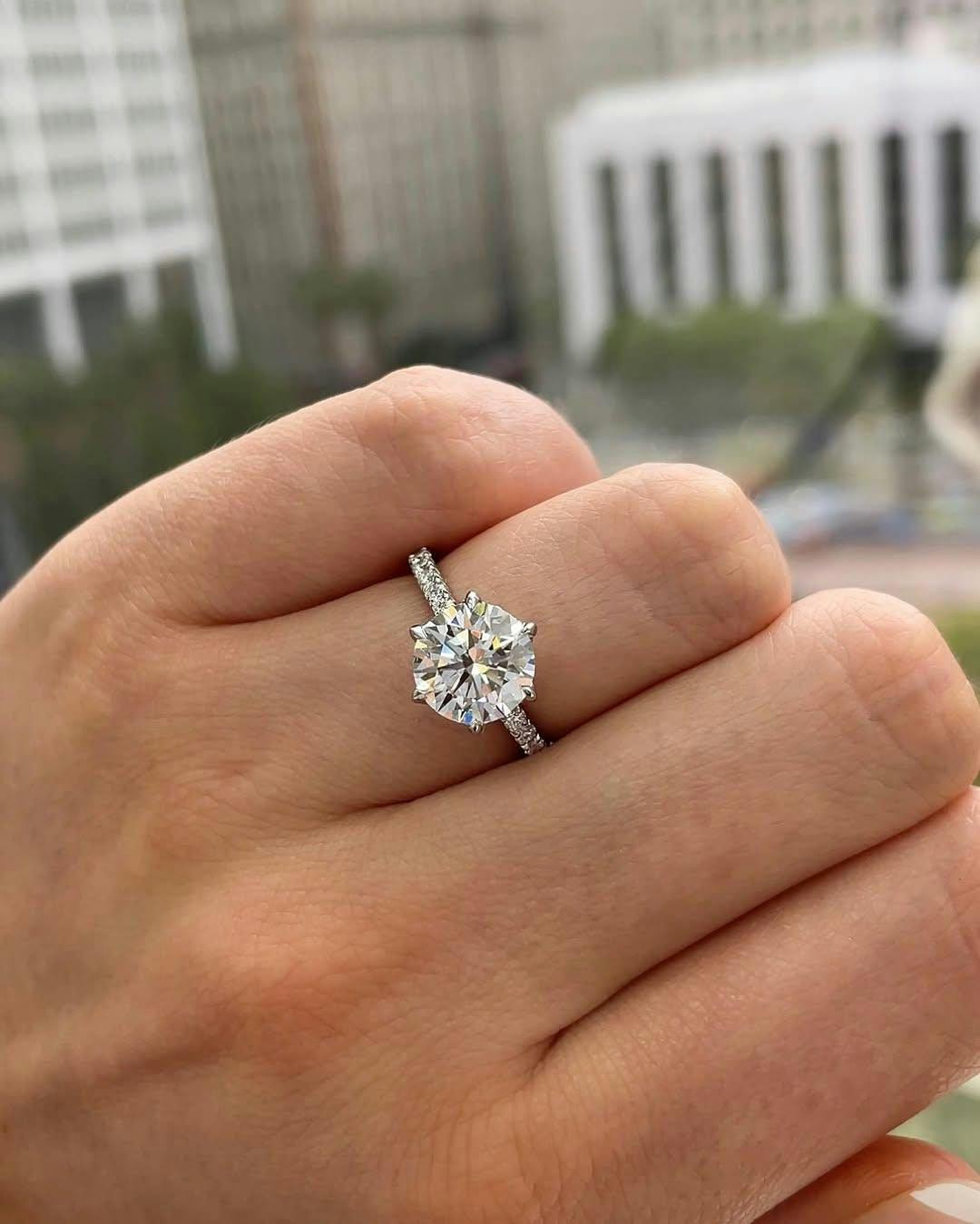
On the finger, a round diamond:
- Looks centered and even
- Works well in almost all engagement ring styles: solitaire, halo, three-stone, pavé, etc.
If you’re drawn to tradition and you want a ring that will always feel current, a round diamond ring is a safe, beautiful option.
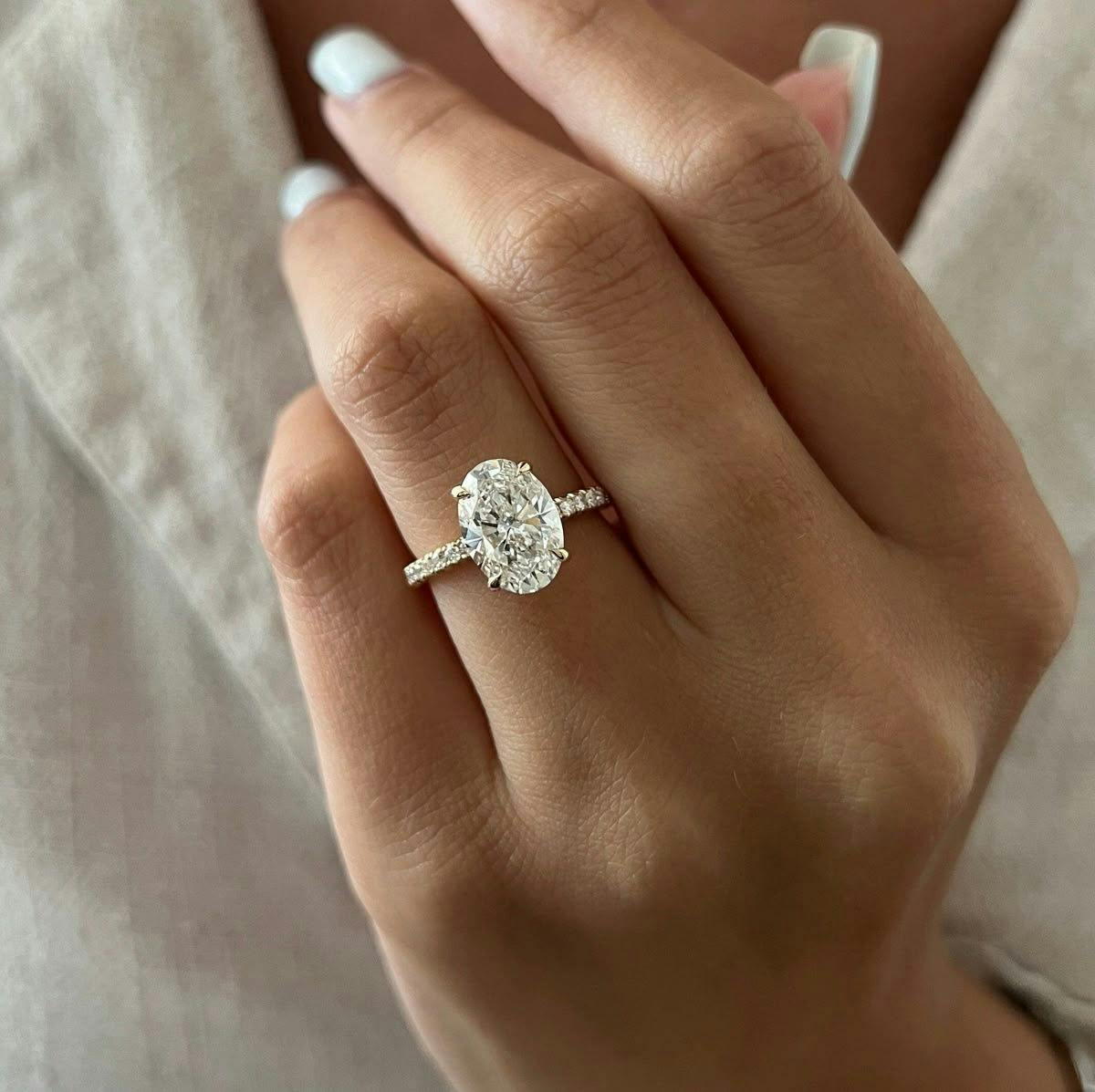
Oval: Slimming and Elongating
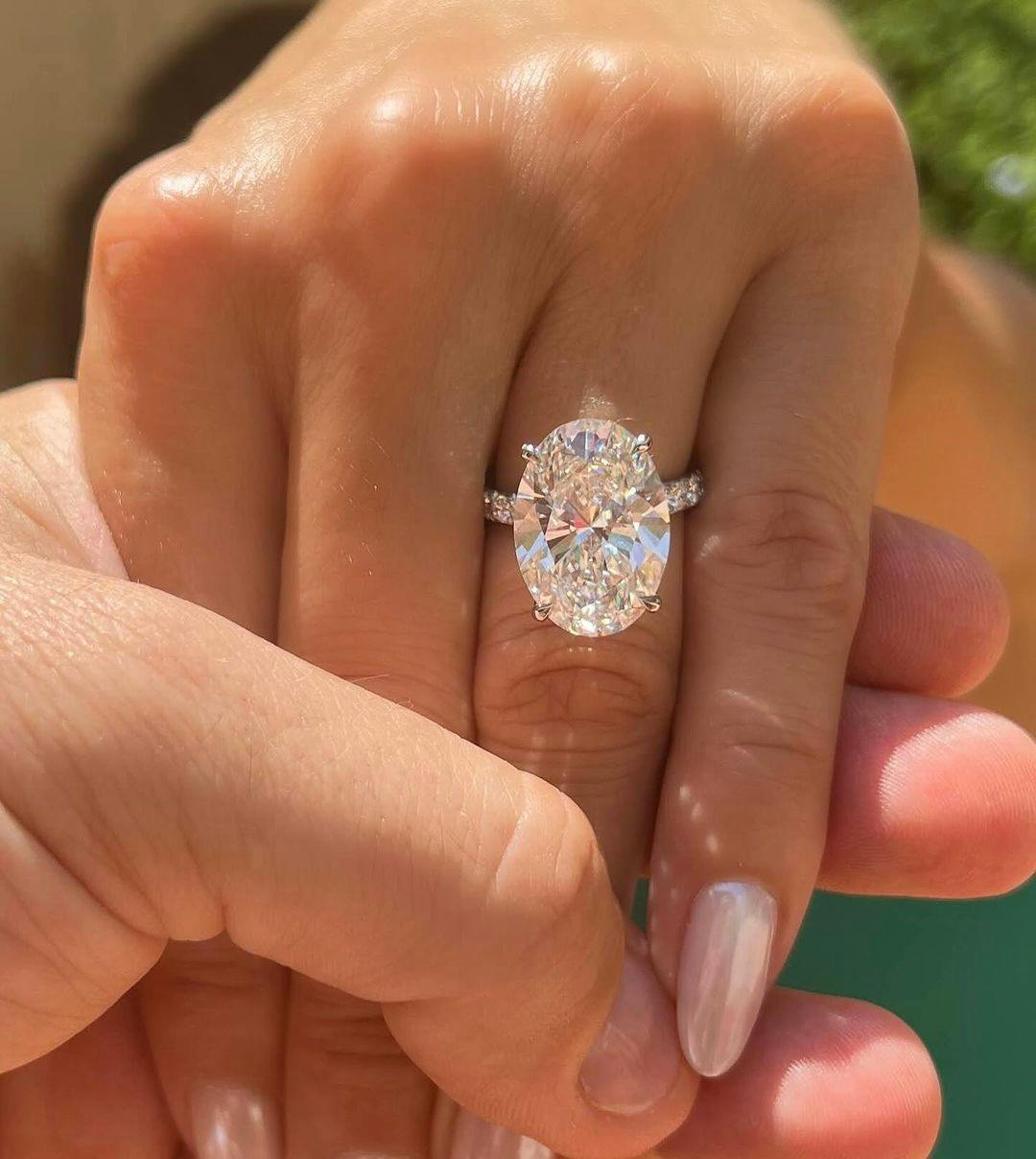
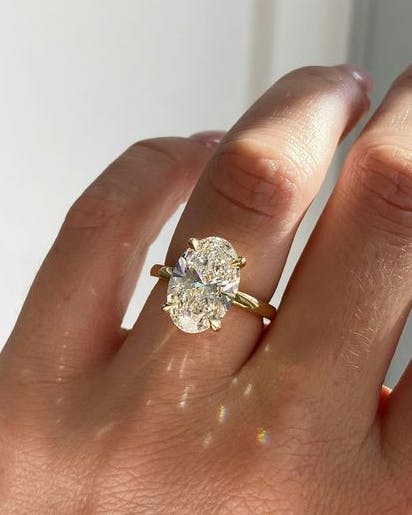
An oval diamond engagement ring plays a little optical trick (in a good way).
Thanks to its elongated shape, an oval diamond can:
- Make your fingers look longer and slimmer
- Give more surface area on the top, so it sometimes looks bigger than a round of the same carat weight
- Feel a bit more “fresh” and fashion-forward
Many people prefer oval because oval rings can look larger than round diamonds of the same carat. So if you’re looking at diamonds of the same carat say, 1.00ct round vs carat oval the oval may appear slightly bigger.
If you like that long, graceful look on the finger, opt for an oval is often the instinct.
Read This: Personalized Diamond Commitment Rings for Couples That Tell Your Love Story
Sparkle, Brilliance & the “Bow Tie”
Both round and oval diamonds are brilliant cut diamonds, which means their facets create lots of sparkle. But they do it a little differently.
Round Brilliant: Maximum Sparkle
A round brilliant cut is cut specifically to push light back out through the top of the stone.
- When the grading labs look at a round, they pay a lot of attention to the diamond cut and cut grade, because it affects the sparkle so much
- A well-cut round has amazing fire and brilliance those rainbow flashes and bright white sparkle we all love
Oval: Brilliance with Personality
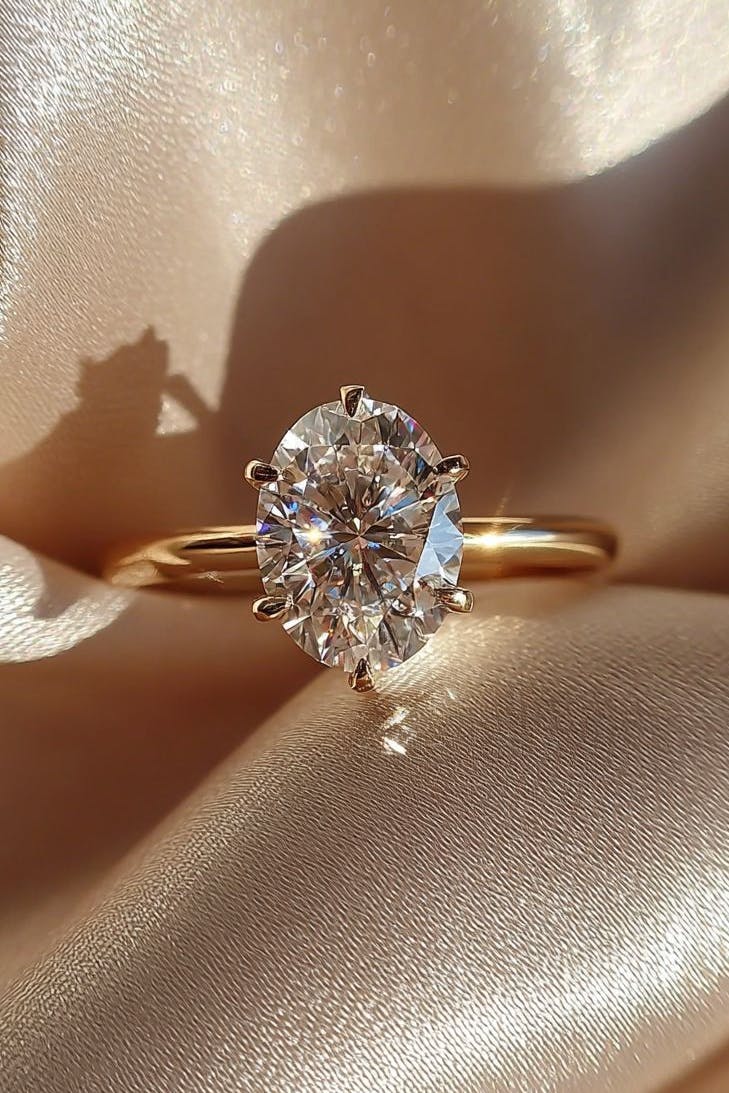
An oval-cut diamond uses a similar brilliant-cut style, but the light travels differently because of the elongated oval shape.
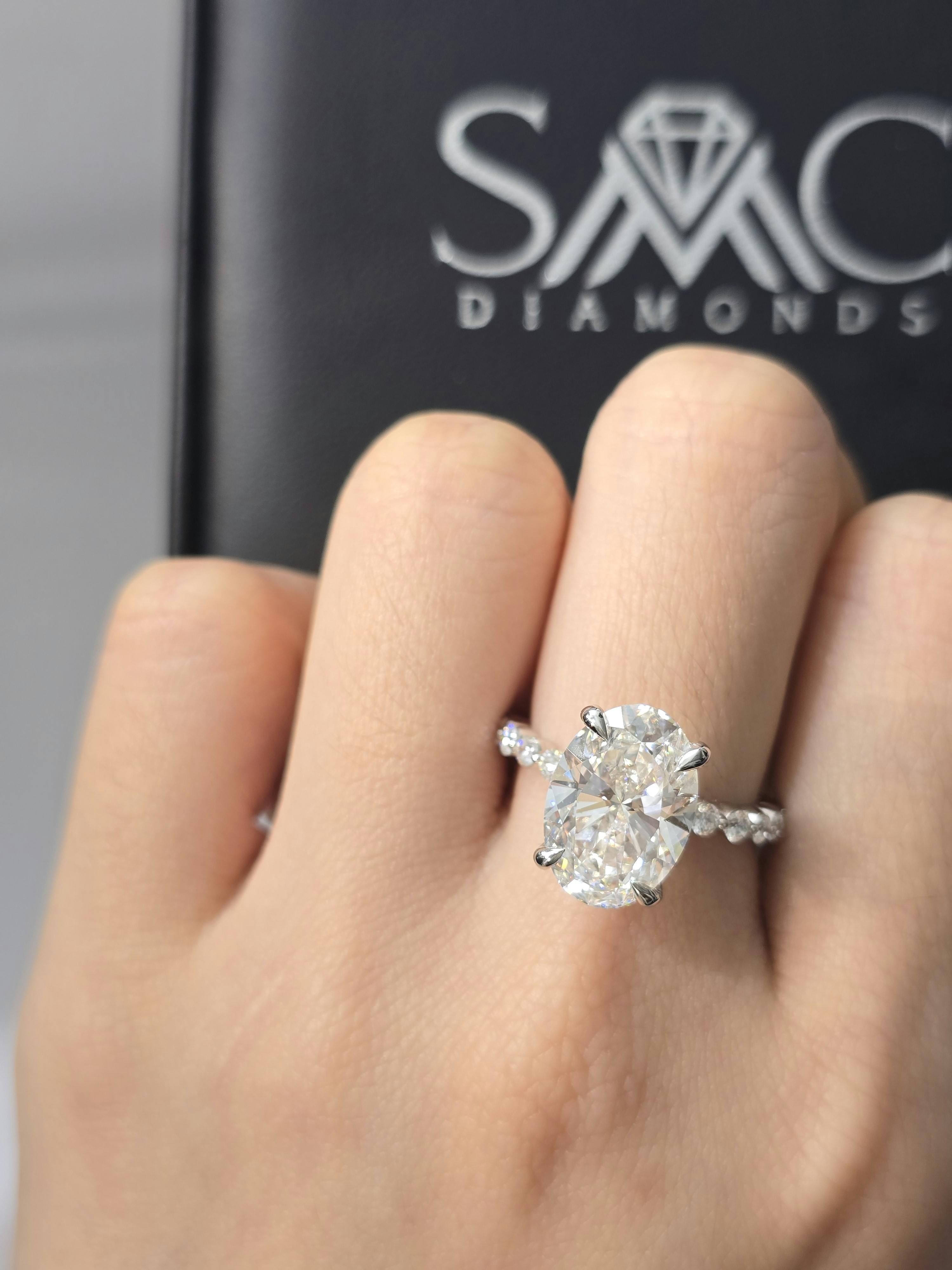
Many ovals have something called a bow tie an area of slight darkness in the middle that looks like a little bow tie across the center of the diamond.
This isn’t always a bad thing. A soft bow tie can:
- Add character to the stone
- Make the light patterns more interesting
But if the bow tie is too strong, it can look like a dark patch where the sparkle disappears.
That’s why, when you find an oval cut diamond, it’s important to actually look at it not just trust the numbers.
- Check if the symmetry feels right
- Look at the pavilion, girdle, and overall shape
- Make sure the bow tie doesn’t bother you
A good jeweller will help you avoid ovals with overly strong bow ties.
Size, Carat & Price: Oval vs Round
Now let’s talk real-life stuff: carat size and budget.
Size and Surface
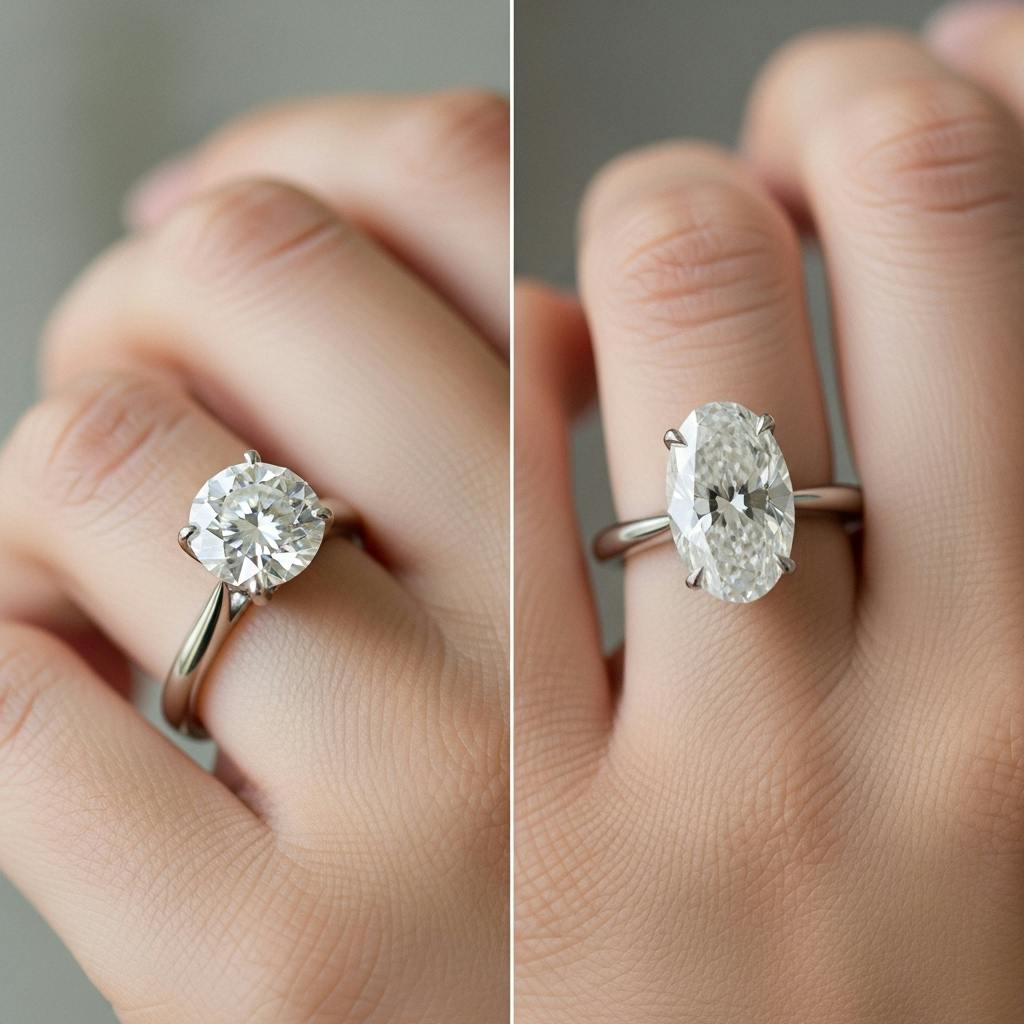
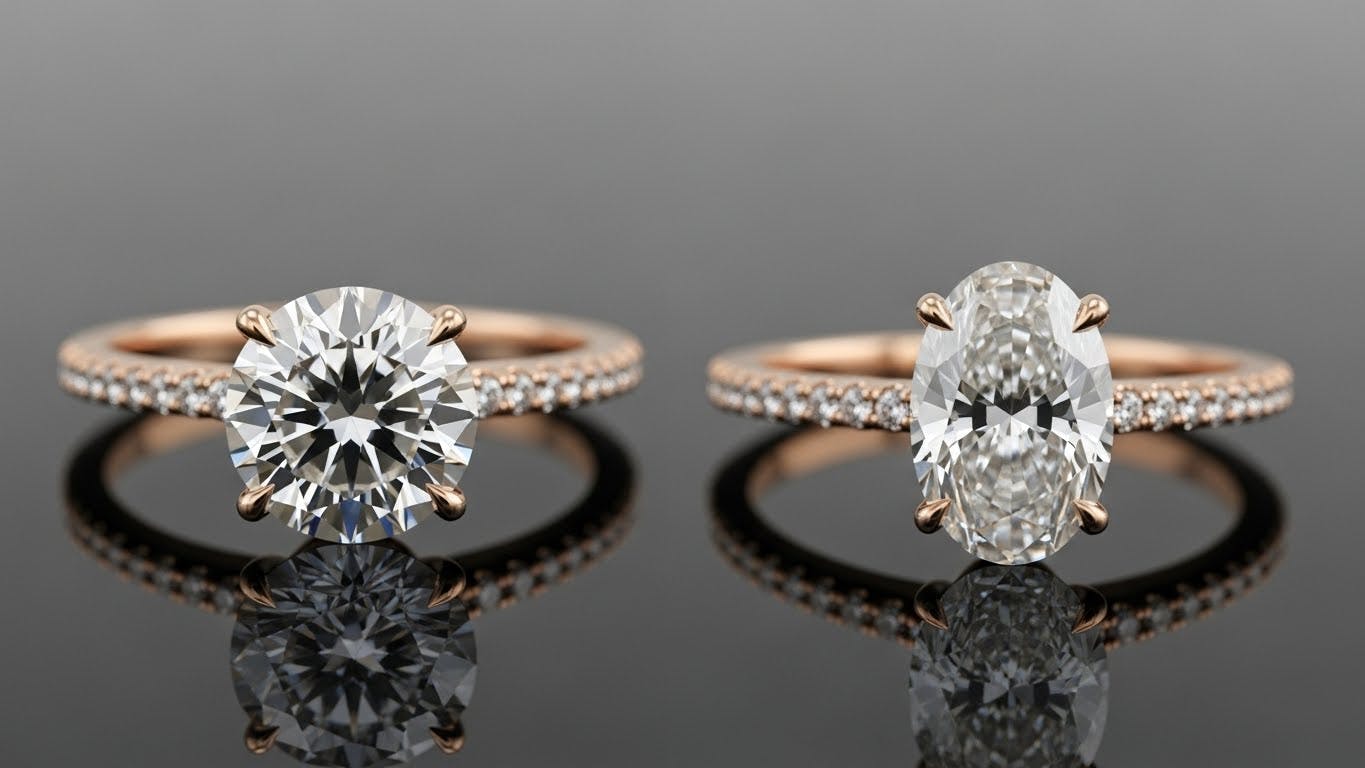
As we mentioned, oval and round diamonds with the same carat weight don’t always look the same size.
- A carat round diamond is more compact
- A carat oval diamond usually has slightly more surface area on the top
So if you want your stone to look a little bigger without increasing carat, oval vs round diamond comparison often leans in favour of oval.
Price Compared to Round
Because diamonds are the most popular in round, and a lot of diamond rough is used up in cutting a diamond into a perfect circle, round brilliants can cost more per carat.
An oval vs round diamond comparison often shows:
- Similar quality oval cut diamonds may be slightly better value
- The price of oval per carat can sometimes be lower than a round of similar specs
That doesn’t mean ovals are “cheap” just that you sometimes get more visual size for the same money.
Of course, this depends on:
- Natural diamond vs lab diamond
- Lab-grown diamonds vs mined diamonds
- Clarity, colour, and cut
But if preference and budget are both important, oval is worth a serious look.
Recommended: What Diamond Shape Looks the Biggest in Visual Size For an Engagement Ring?
Lab-Grown vs Natural: Works Beautifully for Both
Whether you love natural diamond or want to go for lab-grown diamonds, both shapes look incredible.
- Lab-grown and natural diamonds are available in round and oval diamonds
- You can get a lab diamond in a round brilliant cut or an oval lab stone
- Lab-grown round and oval options give more flexibility on price and carat size
If you want a slightly larger stone or higher quality within a specific budget, choosing a lab-grown round or oval can be a smart move.
Inclusions, Clarity & Cut
With both round and oval, you’ll want to think about:
- Inclusion (internal marks)
- Imperfection that may be visible to the naked eye
- How the diamond’s cut and faceting structure hide or reveal them
Rounds, with more intense sparkle, can sometimes hide small inclusions better than ovals. Ovals, with their elongated shape and different light patterns, may show certain imperfections differently.
Either way, your jeweller should walk you through:
- The stone’s grading report
- The cut grade (for round especially)
- How the diamond features look in real life, not just on paper
Engagement Ring Styles: Oval vs Round
Here’s some good news: both shapes are super flexible when it comes to engagement ring styles and wedding rings.
Round Engagement Ring Styles
A round engagement ring works beautifully in:
- Classic solitaire settings
- Halo designs
- Vintage-inspired pavé bands
- Three-stone designs with side emerald cut, oval, or gemstones
It’s the definition of “you can’t go wrong.”
Oval Engagement Ring Styles
An oval engagement ring is stunning in:
- Simple solitaires (especially in yellow gold)
- Soft halo designs following the oval shape
- East–west styles (set sideways) for something modern
- Mixed with pavé bands and detailed wedding band stacks
Because of the shape, ovals also pair beautifully with curved or contour wedding bands that hug the oval diamond.
Which One Fits Your Personality?
At this point, both shapes might still sound good. So let’s make it more personal.
You might lean toward a round cut diamond if:
- You love tradition and classics
- You like intense sparkle and brilliance
- You want the most time-tested diamond cut
- You prefer to keep it simple and iconic
You might lean toward an oval cut diamond engagement ring if:
- You like a slightly unique shape without being too edgy
- You want your ring to elongate and flatter your fingers
- You love the idea of a stone that looks larger than round diamonds of the same carat
- You prefer a mix of modern and timeless
Remember: your engagement ring is a meaningful piece of jewellery. It’s not just about math and charts. It’s about how your heart reacts when you see it on your hand.
Quick Little Reality Check 💬
When it comes to oval vs round diamond rings, here’s the truth:
- Both are beautiful
- Both can be timeless
- Both come in lab-grown and natural diamonds
- Both can be set in halo, solitaire, three-stone, etc.
The real question is:
- What do you keep saving on Pinterest?
- When you picture your hand, do you see soft oval lines or a classic round?
- Does a round vs oval comparison make you overthink, or does one quietly keep calling you back?
Try both on if you can. Look at them in different lighting. Move your hand. Notice how the diamonds look, how they feel, and which one makes you smile without trying to convince yourself.
Final Thoughts: You Can’t “Get It Wrong”
Choosing between round and oval diamonds isn’t about right or wrong. It’s about which feels like you.
- If you’re drawn to tradition, a round diamond engagement ring is a beautiful, safe, and classic choice.
- If you want a slightly modern twist with a flattering, elongated look, an oval diamond engagement ring might be your perfect match.
Both shapes work in cut engagement rings from simple solitaires to detailed designs. Both are available in lab-grown round and oval options as well as natural. Both can be set with halo, pavé, or plain bands, and paired with wedding rings that make a gorgeous stack.
At the end of the day, your ring doesn’t have to impress the internet.
It just has to feel right on your hand.
If your heart keeps whispering “oval,” listen to it.
If it smiles every time you see a round, that’s your answer.
Either way, you’ll end up with a diamond ring that doesn’t just shine it quietly tells your story every day.